


The Battle of the Games: An Analysis of the Global E-sports Market Share
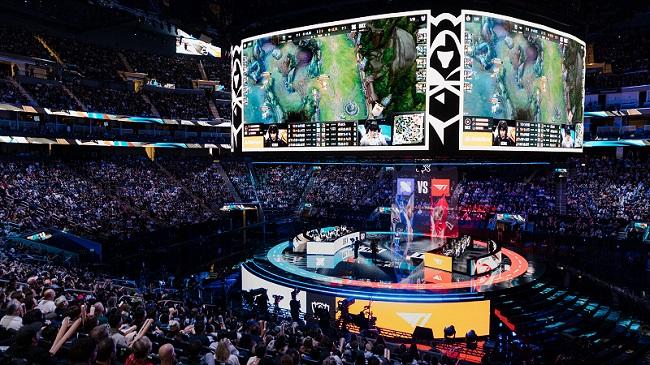
The global market for competitive gaming is a complex and dynamic landscape, with the E-sports Market Share being defined not by a single company, but by the relative popularity and commercial success of a handful of key video game titles and the ecosystems built around them. The competition is, in effect, a battle between different "digital sports." The market share can be measured in several ways: by viewership hours on streaming platforms, by the size of the prize pools for major tournaments, or by the total revenue generated by a game's professional league. The landscape is dominated by a few massive, long-standing titles, but it is also constantly being reshaped by the emergence of new hit games that can rapidly build a competitive scene and capture a significant share of the audience's attention.
A dominant portion of the market share, particularly in terms of viewership and professional league structure, is held by the major Multiplayer Online Battle Arena (MOBA) games. Riot Games' League of Legends is arguably the largest and most professionalized e-sport in the world. Its annual World Championship is a massive global event with a viewership that rivals major traditional sports finals. Riot operates a highly successful, city-based franchised league model across the globe, which has created stable and valuable team assets. The other major MOBA is Valve's Dota 2, which is famous for its annual tournament, "The International," which consistently features the largest prize pool in all of e-sports, often exceeding $40 million. These two titles have a massive and dedicated global following and represent a huge slice of the overall market.
Another huge segment of the market share belongs to the First-Person Shooter (FPS) genre. Valve's Counter-Strike: Global Offensive (and its successor, Counter-Strike 2) has a long and storied history as one of the most important e-sports, with a very open and global tournament circuit run by third-party organizers like ESL. It is particularly popular in Europe. The new challenger in the tactical shooter space is Riot Games' Valorant, which has seen explosive growth since its release and is rapidly building a professional league structure to compete directly with Counter-Strike. In the faster-paced "battle royale" sub-genre, games like Apex Legends and PUBG Mobile (which is immensely popular in Asia) also have massive competitive scenes and command a significant share of the viewership.
The strategies for capturing and maintaining market share in this game-driven market are focused on the game publisher's ability to support and nurture a healthy competitive ecosystem around their title. This involves balancing the game to keep it fair and exciting to watch, investing in a professional league structure with regular broadcasts, and offering massive prize pools to attract the best players and generate media hype. It also involves fostering a strong community and providing a clear "path to pro" for aspiring players. The game publisher is the ultimate gatekeeper of their e-sport. The publishers who invest the most in building a sustainable and engaging competitive scene for their game are the ones who are able to capture the largest and most valuable share of the massive and growing global e-sports market.
Other Exclusive Reports:
Asset Reliability Software Market
 Portuguese (Brazil)
 English
 Arabic
 French
 Spanish
 Portuguese
 Deutsch
 Turkish
 Dutch
Dutch
 Italiano
 Russian
 Romaian
 Greek
Greek