


The Unspoken Stories of KAWS: Discovering Meaning Beyond the Surface
Introduction: Looking Beyond the Famous Characters
At first glance, KAWS art may look simple. His characters have rounded shapes, bold colors, oversized hands, and familiar faces marked by crossed-out eyes. Yet, behind these recognizable designs lies a deeper artistic world filled with emotion, questions, and ideas about modern life.
KAWS, whose real name is Brian Donnelly, has become one of the most recognizable names in contemporary art. His work appears in galleries, museums, public spaces, and collectible toy collections around the world. Through his unique visual style, he has created a bridge between street art, fine art, fashion, and popular culture.
However, there is more to KAWS Playeras than colorful sculptures and collectible figures. His artwork often encourages viewers to think about loneliness, identity, human connection, and the emotions people struggle to express. These ideas are not always explained directly. Instead, they are hidden in character expressions, body language, and familiar images that seem slightly unusual.
Understanding the unspoken stories of KAWS means looking beyond the surface and discovering how simple characters can communicate complex feelings.
Who Is KAWS? The Artist Behind the Iconic Style
KAWS began his creative journey as a graffiti artist in New York City during the 1990s. Born in Jersey City, New Jersey, Brian Donnelly developed an artistic identity that combined street culture, cartoon imagery, and graphic design.
His early work involved interacting with advertisements in public spaces, transforming existing images into something new. Rather than treating commercial graphics as untouchable, he used them as a starting point for creative expression.
This approach helped shape the visual language that defines KAWS today. He takes familiar images and changes small but important details, making viewers reconsider something they might otherwise ignore.
Over time, KAWS expanded beyond graffiti into paintings, large-scale sculptures, fashion collaborations, and designer toys. His Companion character became especially famous, helping introduce contemporary art to people who might never visit a traditional gallery.
Despite this worldwide recognition, his artistic style still carries the influence of its street art origins. His work feels approachable because it uses familiar forms, but it also invites deeper interpretation.
The Crossed-Out Eyes: A Symbol With Many Meanings
One of the most recognizable features of KAWS Air Jordan art is the crossed-out eyes. This simple design appears across many of his characters and has become a defining part of his artistic identity.
But what do these eyes actually mean?
There is no single explanation that covers every artwork. Their meaning can change depending on the character, setting, and viewer. However, they can encourage several interesting interpretations.
For some viewers, the crossed-out eyes suggest emotional exhaustion or sadness. They create faces that seem unable to communicate normally, even when their bodies appear expressive. This contrast can make the characters feel vulnerable and strangely human.
Others may see the X-shaped eyes as a challenge to the way people look at images. In advertising and popular culture, faces are often designed to attract attention and communicate clear emotions. KAWS Figuras changes this familiar language, making his characters harder to understand at first glance.
The crossed-out eyes may also suggest the loss of identity in a world filled with commercial images and digital distractions.
Their strength lies in their openness. Rather than telling viewers exactly what to feel, KAWS creates space for personal interpretation. Someone may see sadness in a character, while another person may notice humor, mystery, or rebellion.
Companion: More Than a Collectible Character
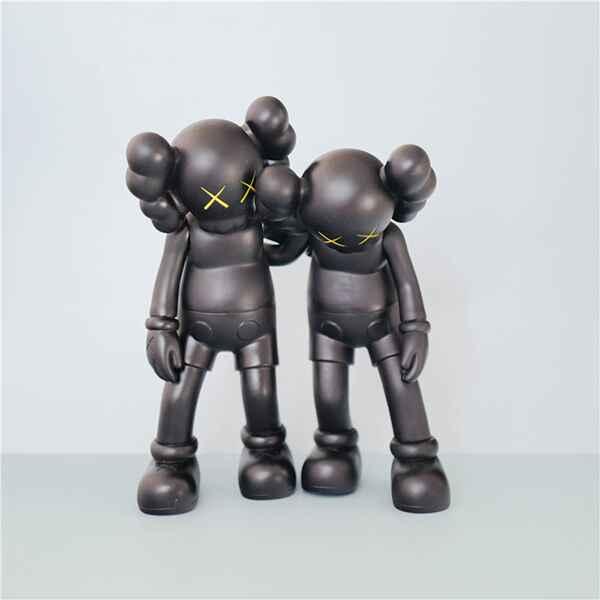
Companion is perhaps the most famous creation in the KAWS universe. With its cartoon-inspired body, skull-like face, and crossed-out eyes, the character is instantly recognizable.
It has appeared in countless forms, including vinyl figures, paintings, and monumental public sculptures. Yet its popularity is not explained by appearance alone.
One of the most interesting features of Companion is its body language. In several well-known works, the character covers its face, bends forward, or sits with its head lowered. These poses suggest emotions that words cannot easily describe.
A figure covering its face, for example, might appear embarrassed, overwhelmed, or unwilling to face the world. Another pose may suggest quiet reflection or emotional pain.
These gestures make Companion feel different from many traditional cartoon characters. Instead of always appearing cheerful, powerful, or entertaining, it sometimes seems uncertain and emotionally exposed.
This contrast may help explain why the character connects with such a wide audience. People can recognize parts of their own experiences in its unusual expressions.
Although Companion is a fictional character, its emotional language feels familiar. It reminds viewers that even simple figures can communicate complicated feelings.
The Hidden Emotion Behind KAWS' Art
A major part of KAWS' artistic appeal comes from the tension between playful design and serious emotion.
His characters often look as if they belong in a cartoon or a toy store. Their smooth surfaces, exaggerated proportions, and bright colors create an inviting appearance. However, their poses and expressions can suggest sadness, isolation, or uncertainty.
This contrast gives his work an unexpected emotional depth.
In everyday life, people often hide difficult feelings behind humor, confidence, or a friendly appearance. KAWS' characters can be interpreted in a similar way. Their playful appearance draws viewers closer, while their body language encourages them to look more carefully.
His work does not always present happiness as the natural result of bright colors or attractive design. Instead, it leaves room for emotions that are uncomfortable or difficult to explain.
This is one reason KAWS appeals to different generations. Younger audiences may connect with the characters as toys or familiar pop culture figures, while other viewers may focus on the emotional ideas behind them.
The artwork does not demand that everyone reach the same conclusion. Its meaning develops through the relationship between the image and the person looking at it.
Street Art, Consumer Culture, and the Power of Familiar Images
KAWS' background in graffiti plays an important role in understanding his artistic message. Street art exists outside many traditional art institutions, placing creative expression directly into everyday life.
KAWS built on this idea by working with images already present in public spaces. His early interventions transformed commercial advertisements, encouraging people to see familiar graphics differently.
This relationship between art and advertising remains important to his career.
Modern life is full of logos, cartoon characters, product packaging, and digital images. People see thousands of visual messages without always stopping to consider them. KAWS uses a familiar visual language to capture attention, then changes it in ways that encourage a second look.
His collectible figures and commercial collaborations also create an interesting conversation about consumer culture. His work can be purchased as a toy, displayed as a collectible, or experienced as a large public sculpture.
This raises an important question: Can art challenge consumer culture while also becoming a highly desirable product?
There is no simple answer. KAWS' success shows how contemporary art can move between commercial spaces and traditional art institutions. His work participates in popular culture while also encouraging people to think about the images that shape it.
That tension is part of what makes his artistic identity so distinctive.
Why KAWS Art Feels Personal to Different People
One reason KAWS has gained international recognition is that his work can be understood without extensive knowledge of art history.
His characters use familiar forms, recognizable gestures, and straightforward visual details. People do not need to understand complicated artistic theories before responding to them.
At the same time, the artwork leaves important questions unanswered. Why does a character cover its face? Why does a familiar cartoon-inspired figure appear sad? Why do playful colors sometimes create an uncomfortable feeling?
These questions allow viewers to bring their own experiences into the interpretation.
For some, KAWS represents childhood memories and the joy of collecting toys. For others, his work reflects the pressures of modern society, the need for connection, or the difficulty of expressing emotions.
The same artwork can hold different meanings for different people without losing its identity.
This openness is a powerful feature of contemporary art. It allows a single visual image to connect with people who have different backgrounds, interests, and personal experiences.
Public Sculptures and the Meaning of Scale
KAWS has also become known for large-scale sculptures that transform public spaces. His oversized characters can appear beside buildings, in parks, or at major cultural events.
Changing the scale of a familiar character changes how people experience it.
A small collectible figure can feel personal because it fits comfortably in someone's hand or on a shelf. A monumental Companion sculpture creates a different response. Its enormous size can inspire excitement, surprise, and curiosity.
These public artworks also allow people to experience contemporary art outside traditional museum settings. Visitors may encounter a sculpture while walking through a city or attending an event, making art part of an ordinary day.
The contrast between the character's familiar design and its enormous physical presence encourages viewers to reconsider something they thought they already understood.
In this way, KAWS uses scale not only to attract attention but also to change the relationship between artwork, viewer, and environment.
The Lasting Influence of KAWS on Contemporary Art
KAWS has helped change the way many people think about the boundaries of contemporary art. His career demonstrates that artistic expression can move between galleries, public spaces, fashion, toys, and digital culture.
His influence is especially visible in the growing interest in designer toys and collectible art figures. These objects can appeal to collectors who value craftsmanship, visual identity, cultural significance, or the personal experience of owning a piece of an artist's creative world.
However, the importance of KAWS goes beyond collecting.
His work challenges the idea that serious art must look traditional or difficult to understand. By combining recognizable characters with emotional ambiguity, he creates an entry point for audiences who may feel distant from established art institutions.
His success also reflects the growing relationship between artists and global brands. While this connection can create opportunities for wider exposure, it also raises questions about originality, commercial value, and the role of art in consumer society.
These questions make KAWS an important figure in conversations about modern art and popular culture.
Conclusion: The Stories That Remain Unspoken
The unspoken stories of KAWS are found in the details that viewers might overlook at first. They appear in crossed-out eyes, lowered heads, covered faces, familiar cartoon forms, and the contrast between playful design and emotional uncertainty.
His art does not offer one fixed message. Instead, it creates opportunities for people to explore their own feelings and ideas about identity, loneliness, connection, and the world around them.
From his beginnings in New York street art to his international recognition as a contemporary artist, KAWS has built a visual language that feels both familiar and mysterious.
His characters may look simple, but their emotional appeal is far from simple. They invite viewers to pause, look again, and consider what might exist beneath the surface.
Perhaps that is the most interesting part of KAWS' artistic world: the images are easy to recognize, yet their meanings continue to unfold long after the first glance.
- Monuments historiques
- Restaurant Traditionnel
- Ausbildung
- Mode
- Formation
- Information
- Restaurant
- culture
- تسويق
- Tourisme
- سياحة
- تنمية
- Découverte
- Art
- Causes
- Crafts
- Dance
- Drinks
- Film
- Fitness
- Food
- Spiele
- Gardening
- Health
- Startseite
- Literature
- Music
- Networking
- Andere
- Party
- Religion
- Shopping
- Sports
- Theater
- Wellness
 Deutsch
 English
 Arabic
 French
 Spanish
 Portuguese
 Turkish
 Dutch
 Italiano
 Russian
 Romaian
 Portuguese (Brazil)
 Greek
