


Analytical Instrumentation Market Size, Share, Growth Trends and Forecast 2026–2032
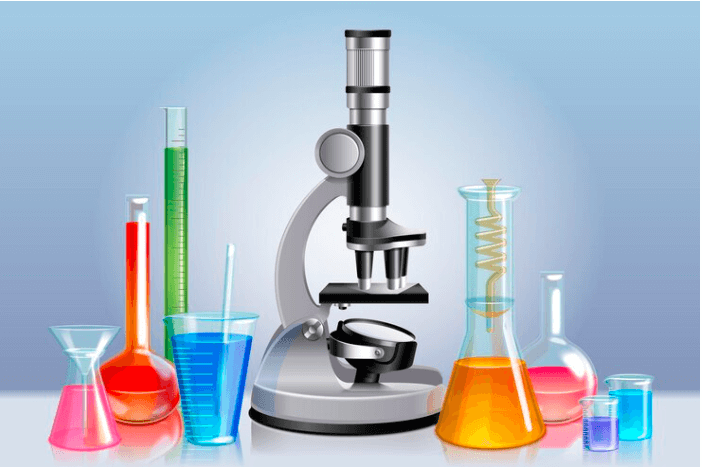
Analytical Instrumentation Market to Reach USD 95.87 Billion by 2032, Growing at 7.52% CAGR as Laboratory Automation and Scientific Innovation Accelerate
Global Analytical Instrumentation Market Growth Driven by Pharmaceutical Research, Chromatography Advancements, Food Safety Testing, Water Quality Monitoring, and Increasing Investment in Advanced Laboratory Technologies
The global Analytical Instrumentation Market is entering an important phase of technological and commercial development as industries increase their dependence on precise measurement, scientific testing, and automated laboratory operations. According to Maximize Market Research, the market was valued at USD 57.71 billion in 2025 and is projected to reach approximately USD 95.87 billion by 2032, expanding at a compound annual growth rate (CAGR) of 7.52% during 2026–2032.
Increasing demand for reliable analytical testing across pharmaceuticals, biotechnology, food processing, environmental monitoring, chemicals, and advanced manufacturing is strengthening the commercial outlook for instrumentation manufacturers and laboratory service providers.
Analytical instruments are increasingly essential for maintaining product quality, accelerating research, verifying regulatory compliance, and improving industrial efficiency. The integration of artificial intelligence, automation, sophisticated sensors, and digital laboratory management platforms is transforming traditional testing processes into intelligent analytical workflows.
The market's development creates significant opportunities for scientific equipment manufacturers, software providers, research institutions, and investors supporting high-value laboratory infrastructure.
As scientific and industrial requirements become more complex, companies capable of delivering accuracy, operational reliability, and integrated analytical solutions are positioned to strengthen their competitive advantage.
Analytical Instrumentation Market Outlook: Scientific Measurement Becomes a Strategic Industrial Requirement
The expanding role of analytical technologies reflects a broader transformation in industrial quality management and scientific research.
Modern laboratories increasingly require equipment capable of detecting, identifying, and quantifying complex chemical, biological, and physical characteristics.
Analytical instrumentation supports these requirements through chromatography, spectroscopy, mass spectrometry, microscopy, and molecular analysis technologies.
These systems help organizations evaluate material composition, investigate molecular structures, monitor process conditions, and verify product specifications.
The growing importance of accurate scientific information is influencing purchasing decisions across several industries.
Manufacturers are evaluating equipment not only by testing performance but also by productivity, automation capabilities, maintenance requirements, and compatibility with existing laboratory systems.
This transition is creating opportunities for instrument suppliers to develop integrated technology platforms combining hardware, analytical software, technical training, and lifecycle services.
For business leaders, laboratory investments increasingly represent strategic decisions that influence operational efficiency, regulatory readiness, and long-term innovation capabilities.
𝐃𝐨𝐰𝐧𝐥𝐨𝐚𝐝 𝐏𝐃𝐅 𝐁𝐫𝐨𝐜𝐡𝐮𝐫𝐞 @
https://www.maximizemarketresearch.com/request-sample/145973/
Pharmaceutical Research and Biotechnology Expansion Strengthen Market Demand
The pharmaceutical and biotechnology industries remain important sources of demand for advanced analytical equipment.
Drug discovery, formulation development, clinical research, manufacturing validation, and quality assurance require sophisticated measurement technologies capable of delivering consistent results.
Chromatography and mass spectrometry are widely used to investigate pharmaceutical compounds, identify impurities, and evaluate complex biological samples.
Spectroscopic instruments support molecular characterization, while advanced microscopy provides information about cellular structures and biological materials.
The increasing complexity of biopharmaceutical development is encouraging laboratories to modernize their testing capabilities.
Biologics, cell-based therapies, and advanced therapeutic research programs frequently require specialized analytical methods and detailed product characterization.
For equipment manufacturers, these developments support opportunities in high-performance systems, specialized analytical workflows, and research partnerships.
Pharmaceutical companies are also placing greater emphasis on reproducibility, data integrity, and efficient laboratory operations.
Suppliers capable of delivering validated workflows, dependable technical support, and comprehensive training are better positioned to establish long-term customer relationships.
Food Safety and Quality Testing Create Sustainable Growth Opportunities
Increasing attention to food quality and consumer protection is supporting analytical instrumentation demand across the food and beverage industry.
Manufacturers use testing equipment to identify contaminants, assess ingredients, verify product composition, and support compliance with applicable safety requirements.
Chromatography and mass spectrometry are particularly important for detecting chemical residues, additives, and selected contaminants.
Spectroscopy also supports rapid screening and material identification in appropriate testing applications.
Food manufacturers are increasingly evaluating technologies that improve laboratory throughput without compromising measurement quality.
Automation can reduce repetitive handling activities, support consistent sample preparation, and improve documentation.
These capabilities are commercially important for producers operating multiple facilities or managing complex supplier networks.
For analytical equipment manufacturers, food testing creates opportunities to develop application-specific solutions that address recurring quality assurance needs.
Business growth will depend on providing reliable instruments, appropriate analytical methods, and accessible support services.
Companies that simplify testing workflows while maintaining accuracy can strengthen their positioning within the expanding food quality ecosystem.
Water Quality Monitoring and Environmental Regulations Support Equipment Adoption
Environmental monitoring represents another important application area for analytical instrumentation.
Water utilities, industrial facilities, environmental laboratories, and public institutions require analytical technologies to identify pollutants and evaluate water quality.
Testing methods may include chromatography, spectroscopy, elemental analysis, and mass spectrometry, depending on the substances being investigated.
Industrial wastewater management requires appropriate monitoring to assess treatment effectiveness and support compliance obligations.
Increasing interest in sustainable manufacturing and responsible resource management is strengthening the relevance of environmental analytical technologies.
For manufacturers, this creates opportunities to develop instruments suitable for routine laboratory testing, industrial monitoring, and specialized contaminant analysis.
Portable analytical systems may also improve testing flexibility in selected field applications.
However, instrument performance must be evaluated against detection limits, measurement precision, calibration requirements, and applicable testing standards.
Companies that provide reliable environmental testing solutions and ongoing technical support can benefit from continuing demand for measurement and compliance capabilities.
Artificial Intelligence and Laboratory Automation Transform Analytical Workflows
Artificial intelligence and automated laboratory technologies are influencing the future direction of the Analytical Instrumentation Market.
Modern analytical laboratories generate substantial quantities of measurement data that require interpretation, organization, and secure management.
Advanced software can assist with spectral analysis, chromatographic peak identification, quality checks, and pattern recognition.
Automation also supports sample preparation, instrument scheduling, and repetitive testing workflows.
These capabilities can improve laboratory productivity and reduce time spent on routine activities when implemented appropriately.
Digital laboratory systems enable more efficient data transfer between instruments, laboratory information management systems, and quality control platforms.
For equipment manufacturers, software capabilities are becoming an increasingly important source of competitive differentiation.
However, analytical decisions must remain supported by validated methods, appropriate oversight, and reliable data governance.
Organizations investing in automation should evaluate compatibility, cybersecurity, staff training, and long-term maintenance requirements.
The greatest commercial opportunities are likely to emerge from solutions that integrate analytical accuracy with practical workflow improvements.
High Equipment Costs and Technical Complexity Remain Market Challenges
Despite strong demand, the Analytical Instrumentation Market faces challenges related to capital expenditure, operating costs, technical expertise, and equipment maintenance.
High-performance analytical systems can require significant upfront investment, particularly for smaller laboratories and research institutions.
Additional expenditure may include consumables, calibration, software licensing, laboratory infrastructure, and specialized training.
Some technologies also require carefully controlled operating environments and qualified personnel.
For equipment buyers, total ownership costs can influence procurement decisions as strongly as instrument specifications.
Manufacturers can address these barriers through flexible acquisition arrangements, modular systems, preventive maintenance services, and technical assistance.
Service contracts and training programs can help customers maintain equipment performance and reduce unplanned interruptions.
For laboratories, disciplined procurement decisions should consider sample volumes, testing complexity, regulatory requirements, and available technical resources.
Businesses capable of demonstrating measurable operational value will be better positioned to compete in cost-conscious markets.
Analytical Instrumentation Market Segmentation: Chromatography and Life Sciences Lead Demand
The Analytical Instrumentation Market is segmented by type, end use, product, technology, and geography.
By Type: The market includes chromatography, molecular analysis spectroscopy, elemental analysis spectroscopy, mass spectrometry, analytical microscopes, and other instruments.
Chromatography represents a leading category because of its extensive applications in pharmaceutical analysis, food testing, environmental monitoring, and chemical research.
Gas chromatography, liquid chromatography, and ion chromatography support different analytical requirements involving compound separation and identification.
Mass spectrometry remains important for sensitive molecular analysis, while microscopy and spectroscopy contribute to material characterization and scientific investigation.
By End Use: The market includes life sciences, chemicals and petrochemicals, research and academics, material sciences, food testing, oil and gas, and water and wastewater.
Life sciences represents a leading end-use category, reflecting sustained demand from pharmaceutical research, biotechnology, and laboratory testing.
By Product: The market covers instruments, services, and software.
Service and software offerings are becoming commercially important as laboratories seek maintenance support, efficient workflows, and integrated data management.
By Technology: Major categories include polymerase chain reaction, spectroscopy, microscopy, chromatography, flow cytometry, sequencing, and microarray technologies.
Each category supports distinct scientific applications, creating opportunities for specialized manufacturers and technology providers.
North America Analytical Instrumentation Market Maintains Regional Leadership
North America holds the leading position in the global Analytical Instrumentation Market, supported by established pharmaceutical research infrastructure, advanced laboratories, and strong scientific equipment adoption.
The United States represents an important market because of its biotechnology ecosystem, academic research institutions, pharmaceutical manufacturers, and specialized testing facilities.
Increasing investment in life sciences research supports demand for high-performance analytical technologies.
Canada contributes through pharmaceutical research, environmental testing, oil and gas operations, and industrial quality measurement.
Regional growth is also influenced by laboratory automation and the modernization of scientific infrastructure.
For equipment manufacturers, North America offers opportunities in advanced instrument sales, software integration, servicing, and replacement demand.
However, strong competition requires suppliers to differentiate through analytical performance, customer support, and long-term operating value.
Europe Analytical Instrumentation Market Benefits from Industrial Research and Quality Standards
Europe represents an important market for scientific instrumentation because of its established pharmaceutical, chemical, environmental, and advanced manufacturing industries.
Germany, France, the United Kingdom, Italy, and other European countries support demand through industrial research facilities, academic laboratories, and regulated testing applications.
The region's emphasis on product quality and environmental protection encourages investment in reliable measurement technologies.
Pharmaceutical and chemical manufacturers require analytical systems for process development, product characterization, and quality control.
European research institutions also contribute to demand for specialized analytical equipment.
For instrumentation suppliers, commercial opportunities include laboratory modernization, automation, technical servicing, and application-specific systems.
Successful regional expansion requires understanding procurement requirements, regulatory expectations, and customer service needs.
Asia Pacific Emerges as a High-Growth Regional Opportunity
Asia Pacific is expected to demonstrate the fastest growth during the forecast period, supported by industrial expansion, pharmaceutical manufacturing, and investment in research capabilities.
China, India, Japan, South Korea, and Australia represent important markets for analytical equipment manufacturers.
Expanding pharmaceutical and biotechnology operations encourage investment in laboratory testing infrastructure.
The development of electric vehicles, batteries, electronic components, and advanced materials also increases demand for analytical technologies.
Manufacturers use microscopy, spectroscopy, and other testing systems to investigate material structures and identify production defects.
For businesses entering Asia Pacific, competitive strategies should consider equipment affordability, local distribution, training availability, and technical support.
Companies capable of combining advanced product capabilities with localized services may strengthen their regional market positions.
Competitive Landscape: Global Manufacturers Prioritize Innovation and Service Integration
Competition within the Analytical Instrumentation Market includes multinational scientific equipment manufacturers and specialized technology suppliers.
Major companies identified in the report include Thermo Fisher Scientific, Agilent Technologies, Shimadzu Corporation, Danaher, Bruker, PerkinElmer, Malvern Panalytical, Bio-Rad Laboratories, JEOL, Hitachi High-Tech, ZEISS, and Eppendorf.
These organizations compete through instrument accuracy, analytical capabilities, application expertise, software functionality, distribution networks, and customer support.
Product development increasingly focuses on improving testing sensitivity, instrument usability, automation, and data processing efficiency.
Manufacturers are also strengthening their commercial offerings through maintenance contracts, training services, analytical software, and laboratory workflow integration.
For customers, purchasing decisions increasingly depend on long-term equipment performance and supplier reliability.
Companies combining technological innovation with comprehensive service capabilities can create stronger competitive positions and sustainable customer relationships.
Emerging Trends Reshaping Scientific Instrumentation Through 2032
Several developments are expected to influence the market's future.
Miniaturized Analytical Instruments: Compact and portable systems may expand testing applications where conventional laboratory equipment is impractical.
Automated Sample Processing: Robotics and automated handling technologies can improve throughput and reduce repetitive laboratory activities.
Advanced Spectroscopy: Improvements in detectors, software, and analytical methods support more sophisticated material characterization.
Digital Laboratory Integration: Connected instruments enable improved documentation, workflow coordination, and analytical data management.
Sustainable Laboratory Operations: Energy efficiency, reduced solvent consumption, and resource optimization are becoming important equipment selection considerations.
Service-Oriented Business Models: Technical support, software subscriptions, and lifecycle maintenance can create continuing commercial relationships.
These trends demonstrate how the industry's development increasingly depends on combining measurement technology with digital capabilities and operational efficiency.
Strategic Investment Opportunities and Future Business Decisions
The Analytical Instrumentation Market offers opportunities across scientific equipment manufacturing, laboratory automation, analytical software, technical services, and specialized testing applications.
Equipment manufacturers should prioritize technologies that address measurable customer requirements and offer dependable performance.
Software developers can explore opportunities in laboratory data analysis, instrument connectivity, and workflow management.
Service providers can strengthen their businesses through calibration, preventive maintenance, application training, and equipment qualification support.
Investors evaluating the sector should consider research expenditure, installed equipment bases, service revenue potential, technology differentiation, and customer retention.
Organizations planning new laboratory investments should assess testing capacity, instrument utilization, personnel requirements, and lifecycle ownership costs.
Regional expansion strategies must also reflect local research activity, industrial development, procurement practices, and technical service availability.
Businesses that combine innovation with disciplined financial planning can build more resilient positions within the global scientific instrumentation industry.
Future Outlook: Intelligent Laboratories Drive the Next Stage of Market Growth
The projected expansion of the Analytical Instrumentation Market to USD 95.87 billion by 2032 reflects increasing dependence on accurate scientific measurement across healthcare, manufacturing, environmental monitoring, and research.
Future growth is expected to be influenced by pharmaceutical innovation, advanced material development, automated testing, and digital laboratory transformation.
Manufacturers will need to improve instrument performance while addressing affordability, integration, and maintenance requirements.
Laboratories will increasingly evaluate technologies according to testing quality, productivity, regulatory compatibility, and long-term operational value.
For investors and business leaders, the industry presents opportunities to support technologies that enhance scientific discovery and industrial quality assurance.
Companies capable of translating complex analytical capabilities into dependable, accessible, and commercially effective solutions will be better positioned to benefit from expanding global demand.
𝐃𝐨𝐰𝐧𝐥𝐨𝐚𝐝 𝐏𝐃𝐅 𝐁𝐫𝐨𝐜𝐡𝐮𝐫𝐞 @
https://www.maximizemarketresearch.com/market-report/analytical-instrumentation-market/145973/
About Maximize Market Research
Maximize Market Research publishes sector forecasts, competitive analysis, and consulting insight for teams evaluating demand, competition, pricing, and growth strategy across high-value industries.
The company provides research and consulting services to help organizations understand market developments, evaluate investment opportunities, assess competitive conditions, and make informed business decisions.
Its research coverage includes healthcare, pharmaceuticals, biotechnology, industrial automation, electronics, chemicals, energy, manufacturing, and advanced technologies.
Through research-driven market intelligence, Maximize Market Research supports strategic planning, competitive benchmarking, market entry evaluation, and sustainable business expansion.
Contact Information
MAXIMIZE MARKET RESEARCH PVT. LTD.
2nd Floor, Navale IT Park Phase 3
Pune Banglore Highway, Narhe
Pune, Maharashtra 411041, India
Phone: +91 9607365656
Email: [email protected]
Website: https://www.maximizemarketresearch.com/
Read the Complete Analytical Instrumentation Market Report:
https://www.maximizemarketresearch.com/market-report/analytical-instrumentation-market/145973/
- Monuments historiques
- Restaurant Traditionnel
- Éducation
- Mode
- Formation
- Information
- Restaurant
- culture
- تسويق
- Tourisme
- سياحة
- تنمية
- Découverte
- Art
- Causes
- Crafts
- Dance
- Drinks
- Film
- Fitness
- Food
- Jeux
- Gardening
- Health
- Domicile
- Literature
- Music
- Networking
- Autre
- Party
- Religion
- Shopping
- Sports
- Theater
- Wellness
 French
 English
 Arabic
 Spanish
 Portuguese
 Deutsch
 Turkish
 Dutch
 Italiano
 Russian
 Romaian
 Portuguese (Brazil)
 Greek
