


Asphalt Paving: Creating Durable and Smooth Surfaces
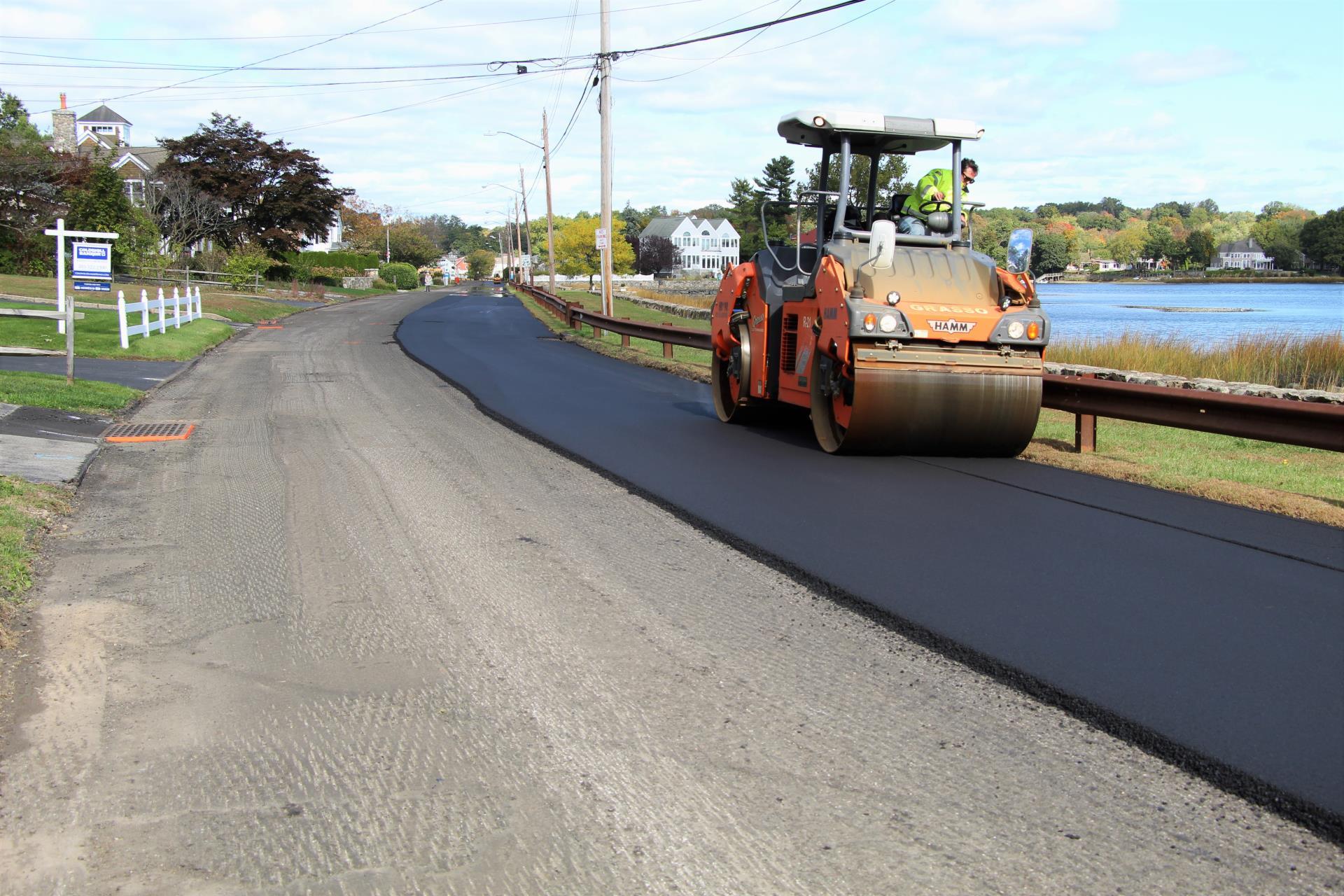
Asphalt paving is one of the most widely used solutions for constructing and maintaining durable roadways, driveways, parking lots, and commercial properties. Its smooth finish, flexibility, and practical maintenance requirements make it a popular choice for residential and commercial paving projects. When installed correctly, asphalt can provide a reliable surface that supports regular traffic and withstands changing weather conditions.
For property owners, business managers, and construction professionals, choosing quality asphalt paving is an important investment in safety, appearance, and long-term performance.
What Is Asphalt Paving?
Asphalt paving involves preparing a surface and applying a mixture of aggregates, sand, and asphalt binder to create a strong, finished pavement. The material is heated, transported to the project site, spread evenly, and compacted using specialized equipment.
The process requires careful attention to the existing ground conditions, drainage, pavement thickness, and expected traffic. Proper installation helps create an even surface while reducing the risk of premature cracking, uneven areas, and other pavement problems.
Common Applications of Asphalt Paving
Asphalt is suitable for many types of paving projects because it can accommodate different property layouts and traffic requirements.
Driveways: Asphalt driveways provide a smooth entrance to residential properties and can complement the overall appearance of a home.
Commercial parking lots: Businesses rely on properly paved parking areas to provide convenient access for employees, customers, and visitors.
Roadways and streets: Asphalt is commonly used for municipal streets, private roads, access lanes, and roadway improvement projects.
Industrial properties: Warehouses, distribution centers, and industrial facilities may use asphalt surfaces for vehicle access and designated parking areas.
Walkways and access areas: Depending on the project design, asphalt can also be used for certain pedestrian routes and connecting paved spaces.
The Importance of Proper Site Preparation
A successful asphalt paving project begins before the asphalt is installed. Contractors must evaluate the existing surface, identify damaged sections, and determine whether excavation or additional base preparation is necessary.
A stable foundation helps distribute vehicle weight and supports the finished pavement. Drainage should also be considered because standing water can weaken pavement structures and contribute to deterioration over time.
Once the base is properly prepared, the asphalt mixture can be placed and compacted. Consistent compaction is essential for creating a dense, smooth surface that performs well under regular use.
Benefits of Professional Asphalt Paving
One of the main advantages of asphalt is its practical combination of durability and cost efficiency. It can be installed for many residential, commercial, and roadway applications.
Other benefits include:
-
Smooth driving surfaces: Properly installed asphalt provides comfortable access for vehicles.
-
Versatile applications: It works for driveways, parking lots, private roads, and other paved areas.
-
Efficient installation: Many asphalt projects can be completed within a relatively short construction period, depending on their size and conditions.
-
Repair options: Cracks, potholes, and damaged sections can often be addressed through appropriate maintenance.
-
Professional appearance: A clean asphalt surface can improve the appearance and usability of a property.
Asphalt Maintenance and Long-Term Performance
Regular maintenance helps protect asphalt pavement from avoidable damage. Property owners should monitor cracks, potholes, drainage problems, and areas showing signs of wear. Addressing minor issues early may help prevent more extensive repairs.
Sealcoating may also be appropriate for certain asphalt surfaces. It provides a protective layer against moisture and other environmental factors, although it does not replace structural repairs or correct an unstable foundation.
The right maintenance schedule depends on traffic levels, weather exposure, pavement condition, and the quality of the original installation.
Choosing an Asphalt Paving Contractor
Selecting an experienced contractor is essential for achieving dependable results. Before beginning a project, property owners should discuss site preparation, material specifications, drainage, project timelines, and the expected scope of work.
A professional paving company should explain the installation process and recommend solutions based on the property's actual needs. Clear communication and attention to construction details can make a significant difference in the finished pavement.
DP Paving offers paving and concrete construction services for property and infrastructure improvement projects. Whether the work involves a commercial parking lot, roadway improvements, or other asphalt paving needs, proper preparation and quality workmanship remain important priorities.
Asphalt paving is a practical solution for creating smooth, functional, and durable surfaces across residential, commercial, and roadway properties. From initial site preparation to final compaction and ongoing maintenance, every stage contributes to the pavement's performance. Working with a qualified contractor such as DP Paving can help property owners plan paving improvements with attention to quality, usability, and long-term value.
 Portuguese
 English
 Arabic
 French
 Spanish
 Deutsch
 Turkish
 Dutch
 Italiano
 Russian
 Romaian
 Portuguese (Brazil)
 Greek
