


Europe MRI Market Growth Driven by AI-Powered Imaging and Rising Demand for Early Disease Detection
Europe MRI (Magnetic Resonance Imaging) Market to Reach USD 2.5 Billion by 2027 as Advanced Diagnostic Imaging and Healthcare Modernization Drive Growth
Europe MRI (Magnetic Resonance Imaging) Market Growth Supported by Neurological Diagnostics, High-Field MRI Systems, Early Disease Detection and Advanced Healthcare Imaging Technologies
The Europe MRI (Magnetic Resonance Imaging) Market continues to play an important role in healthcare modernization as hospitals, diagnostic centers and specialist medical facilities invest in advanced imaging technologies. According to Maximize Market Research, the European MRI industry is projected to reach USD 2.5 billion by 2027, with the published research identifying a 4.11% CAGR over its stated historical forecast period.
The market outlook reflects increasing demand for detailed anatomical imaging, early disease detection and improved clinical decision-making. Magnetic resonance imaging supports examinations involving the brain, spine, musculoskeletal system, cardiovascular structures and abdominal organs.
The adoption of advanced MRI systems is creating opportunities for medical equipment manufacturers, imaging software developers and healthcare service providers. As European healthcare organizations focus on diagnostic quality, patient access and operational efficiency, MRI investment decisions increasingly involve equipment performance, examination capacity, maintenance requirements and long-term financial sustainability.
𝐃𝐨𝐰𝐧𝐥𝐨𝐚𝐝 𝐏𝐃𝐅 𝐁𝐫𝐨𝐜𝐡𝐮𝐫𝐞 @
https://www.maximizemarketresearch.com/request-sample/10215/
Europe MRI Market Overview: Advanced Imaging Becomes Essential to Modern Healthcare
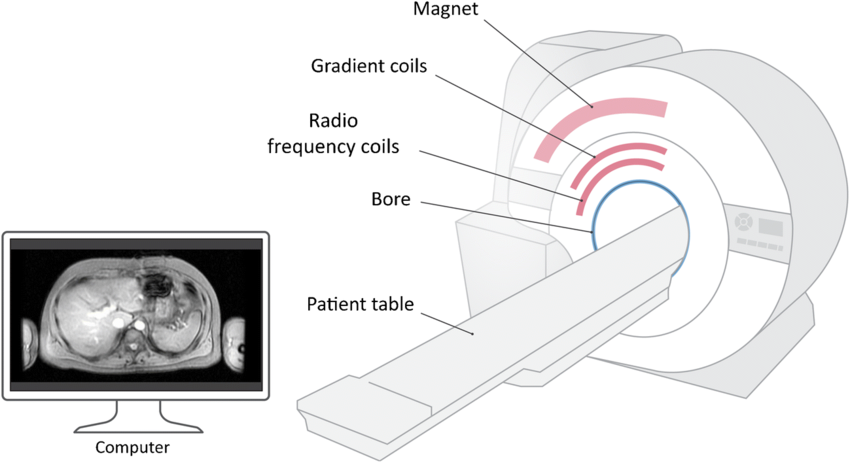
Magnetic resonance imaging is a non-invasive diagnostic technique that uses powerful magnetic fields, radiofrequency signals and computerized processing to generate detailed images of internal body structures.
Unlike X-ray and computed tomography examinations, MRI does not use ionizing radiation. This characteristic makes it valuable for many clinical investigations, although examination suitability depends on individual patient circumstances.
MRI provides detailed visualization of soft tissues, organs and neurological structures, supporting diagnosis, treatment planning and disease monitoring.
Healthcare professionals use MRI to investigate conditions affecting the brain, spinal cord, joints, blood vessels and other anatomical regions.
The increasing complexity of medical diagnosis creates demand for advanced imaging capabilities that support accurate clinical interpretation.
Hospitals and diagnostic centers consequently evaluate MRI systems according to image quality, examination efficiency, patient comfort and compatibility with existing healthcare infrastructure.
Increasing Demand for Early Disease Detection Supports Market Expansion
Growing demand for timely and accurate diagnosis remains an important driver of the Europe MRI Market.
Healthcare providers increasingly use advanced imaging technologies to investigate symptoms, identify abnormalities and monitor treatment outcomes.
MRI supports diagnostic evaluation across several medical specialties, including neurology, oncology, cardiology and orthopedics.
The ability to obtain detailed soft-tissue images can help clinicians evaluate conditions that may require additional investigation or treatment.
Early diagnostic assessment is particularly relevant for certain neurological disorders, musculoskeletal injuries and suspected tumors.
However, imaging utilization must remain clinically appropriate to ensure that examinations provide meaningful information.
European healthcare organizations are increasingly focused on balancing diagnostic quality with efficient equipment utilization and patient accessibility.
These priorities create opportunities for advanced MRI technologies and supporting imaging services.
Brain and Neurological MRI Represents a Leading Application
Brain and neurological MRI represents one of the largest application segments identified in the European market research.
MRI is widely used to examine brain anatomy, spinal structures and selected neurological conditions.
The technology supports investigations involving tumors, vascular abnormalities, inflammatory disorders and other neurological concerns.
Advanced imaging sequences provide complementary anatomical information that can assist qualified specialists in evaluating complex conditions.
The growing importance of neurological diagnosis is encouraging healthcare providers to maintain access to appropriate MRI infrastructure.
Hospitals also require systems capable of integrating imaging results with broader clinical information.
For equipment manufacturers, neurological applications create opportunities for improved image processing, specialized software and reliable examination workflows.
Functional MRI Creates Opportunities for Specialized Clinical Applications
Functional magnetic resonance imaging represents an important area of technological development.
Functional MRI detects changes associated with blood oxygenation and can support the mapping of brain activity during selected tasks.
The technique is used in specialized neurological research and may contribute to preoperative planning for certain brain procedures.
For example, functional mapping can help clinicians evaluate the relationship between brain lesions and regions associated with important neurological functions.
However, interpretation requires specialized expertise, and functional MRI findings have technical and clinical limitations.
Improved image processing and correction techniques can support examination quality, but results must be assessed alongside other clinical information.
Research institutions and specialist hospitals represent important users of these capabilities.
Technology suppliers offering advanced analysis tools may address growing requirements for neurological research and specialized imaging.
Spine and Musculoskeletal MRI Supports Orthopedic Care
Spine and musculoskeletal imaging represents another major segment of the Europe MRI Market.
MRI is widely used to investigate soft tissues, spinal structures, ligaments, tendons and joint abnormalities.
The technology provides information that can help physicians assess sports-related injuries, degenerative conditions and selected musculoskeletal disorders.
European healthcare providers increasingly require diagnostic infrastructure supporting orthopedic services and rehabilitation planning.
MRI can contribute to treatment decisions by providing detailed information about tissues that are difficult to evaluate through conventional radiography.
Demand is also influenced by the availability of specialist medical services and referral pathways.
Imaging centers serving orthopedic patients may prioritize examination scheduling, equipment reliability and image quality.
Manufacturers can address these requirements through workflow improvements and application-specific imaging capabilities.
Body Imaging Expands MRI Applications Across Medical Specialties
Body imaging is identified as one of the faster-growing application areas within the published research.
It includes vascular, pelvic, abdominal and selected cardiac examinations.
MRI offers detailed anatomical information that can support investigation of organs, blood vessels and surrounding tissues.
However, body imaging presents technical challenges involving patient movement, breathing and examination complexity.
Some patients may have difficulty maintaining breath-hold instructions required for particular sequences.
Advanced imaging protocols and motion-management techniques can help address certain examination challenges.
Healthcare providers must consider patient characteristics, clinical indications and equipment capabilities when selecting protocols.
The expansion of body imaging creates opportunities for specialized software, advanced scanning techniques and clinical training services.
Cardiac MRI Supports Advanced Cardiovascular Assessment
Cardiac MRI provides detailed information about heart structure, function and selected tissue characteristics.
The technology can assist clinical evaluation of certain cardiovascular conditions when appropriately indicated.
Advanced sequences allow specialists to assess cardiac anatomy and function using different imaging approaches.
The growing importance of cardiovascular diagnostics creates opportunities for hospitals offering specialized cardiac imaging services.
However, cardiac MRI requires appropriately configured equipment, trained personnel and established examination procedures.
The complexity of cardiac imaging can influence scanning time and departmental workflow.
Healthcare organizations considering investment should evaluate clinical demand, specialist availability and integration with existing cardiovascular services.
Breast and Vascular MRI Create Additional Diagnostic Opportunities
Breast MRI represents an important specialized application, particularly when additional imaging information is clinically required.
It may be used for selected screening, diagnostic or treatment-planning purposes according to relevant clinical guidelines.
Vascular MRI supports the evaluation of blood vessels and selected circulatory conditions.
These applications demonstrate the flexibility of MRI technology across different medical specialties.
However, not every patient requires advanced MRI examination, and modality selection depends on clinical circumstances.
Healthcare providers must balance examination appropriateness with diagnostic performance and available resources.
Specialized imaging capabilities create opportunities for equipment suppliers, software developers and clinical service providers.
Closed MRI Systems Remain Important to Clinical Infrastructure
Based on architecture, the market covers Open MRI Systems, Closed MRI Systems, Standard Bore and Wide Bore configurations.
Closed MRI systems are widely used in healthcare facilities requiring detailed diagnostic examinations.
These systems typically incorporate a cylindrical magnet configuration designed to support imaging performance.
Equipment selection depends on clinical applications, patient characteristics, installation requirements and budget considerations.
Modern MRI systems offer different bore dimensions and design features intended to improve examination accessibility.
Hospitals must evaluate image quality, patient accommodation and operational efficiency when comparing configurations.
The need to maintain reliable clinical performance remains central to equipment procurement decisions.
Open MRI and Wide-Bore Systems Address Patient Accessibility
Open MRI systems provide alternative equipment configurations that may improve accessibility for selected patients.
Wide-bore designs can also offer additional space compared with narrower conventional systems.
These configurations may be relevant for individuals experiencing discomfort in confined environments or requiring additional accommodation.
However, the clinical capabilities of different systems vary according to magnetic field strength, hardware design and imaging specifications.
Healthcare providers should avoid selecting architecture solely on patient comfort considerations.
Clinical requirements, examination quality and operating economics must also influence purchasing decisions.
Manufacturers developing patient-oriented equipment designs can address opportunities where accessibility and diagnostic performance are both important.
High-Field MRI Systems Support Advanced Diagnostic Requirements
By magnetic field strength, the market includes Low-to-mid Field, High-field, 1.5T, 3T and Very-high Field MRI categories.
Magnetic field strength influences several aspects of imaging performance, including signal characteristics and examination capabilities.
The 1.5T and 3T system categories represent important configurations in clinical MRI infrastructure.
Higher magnetic field strengths can provide imaging advantages for selected applications but may also introduce technical challenges.
Equipment selection therefore depends on clinical service requirements, imaging protocols and operational considerations.
Hospitals should assess the benefits of additional imaging capabilities against acquisition costs, maintenance requirements and facility infrastructure.
For manufacturers, opportunities include improving image quality, examination efficiency and compatibility with specialized clinical applications.
Artificial Intelligence and Digital Imaging Influence Future Technology Development
Artificial intelligence is becoming relevant to the development of modern MRI workflows.
AI-assisted tools may support selected image reconstruction, examination planning and image-processing tasks.
These capabilities can help imaging departments evaluate opportunities to improve workflow efficiency.
However, clinical performance depends on appropriate validation, regulatory requirements and professional oversight.
Digital imaging infrastructure also supports image storage, reporting and communication between healthcare teams.
Integration with hospital information systems and picture archiving platforms can improve access to diagnostic information.
Healthcare organizations evaluating advanced technologies should prioritize interoperability, cybersecurity and measurable clinical benefits.
Technology suppliers offering reliable digital integration may strengthen their competitive position.
High Equipment Costs and Operational Complexity Remain Challenges
MRI systems represent substantial capital investments for hospitals and diagnostic centers.
Acquisition costs, installation requirements, facility modifications and maintenance contracts influence total ownership expenditure.
Operating MRI infrastructure also requires qualified personnel and appropriate patient safety procedures.
Equipment downtime can affect examination schedules and healthcare service availability.
Hospitals must therefore evaluate demand, utilization and long-term maintenance when considering additional capacity.
Smaller imaging facilities may face greater financial constraints when investing in advanced systems.
Manufacturers and service providers can address these challenges through dependable technical support, training and suitable financing arrangements.
Germany Represents an Important European MRI Market
Germany is identified among the major countries contributing to European MRI market development.
Its established healthcare infrastructure and medical technology industry create demand for diagnostic imaging equipment and related services.
Hospitals and specialist facilities require imaging technologies supporting neurological, musculoskeletal and other clinical investigations.
Equipment modernization and replacement requirements can create opportunities for manufacturers.
Healthcare organizations increasingly evaluate system reliability, examination capacity and long-term operating economics.
Germany also provides opportunities for software integration and advanced imaging applications.
United Kingdom Focuses on Diagnostic Capacity and Service Efficiency
The United Kingdom represents another important market within the European MRI industry.
Hospitals and diagnostic imaging providers require reliable MRI infrastructure to support clinical referrals and specialist services.
Demand is influenced by neurological examinations, musculoskeletal imaging and broader diagnostic requirements.
Healthcare providers evaluating MRI investments must consider examination capacity, staffing and operational efficiency.
Diagnostic service companies can address opportunities through equipment modernization, service delivery and workflow improvements.
The availability of appropriate imaging infrastructure remains important for maintaining timely clinical assessment.
France Strengthens Demand for Specialized Imaging Technologies
France represents a significant European market for MRI equipment and diagnostic services.
Healthcare institutions use MRI across neurological, orthopedic, cardiovascular and other clinical applications.
Specialist imaging providers contribute to the availability of advanced diagnostic services.
Technology development creates opportunities for improved image processing and specialized clinical software.
Hospitals evaluating equipment modernization should assess clinical requirements, service reliability and integration with existing information systems.
French medical technology companies also contribute to the broader European imaging ecosystem.
Italy and Spain Present Modernization Opportunities
Italy and Spain are included in the geographic analysis of the Europe MRI Market.
Both countries have healthcare systems requiring diagnostic imaging across hospitals and specialist facilities.
Demand opportunities include equipment replacement, digital workflow integration and improved diagnostic service capacity.
Healthcare providers must balance imaging requirements with available budgets and operational resources.
MRI suppliers can support modernization through reliable equipment, maintenance services and technical training.
Country-specific procurement conditions and healthcare delivery structures remain important commercial considerations.
Russia Forms Part of the Published Geographic Scope
Russia is included in the original report's European geographic segmentation.
MRI demand in the country is associated with the availability of diagnostic infrastructure and healthcare equipment investment.
However, commercial conditions and equipment supply arrangements require separate assessment of current regulatory and trade circumstances.
The historical report's geographic inclusion should not be interpreted as confirmation of unrestricted current market access.
Businesses considering regional opportunities should evaluate procurement rules, supply-chain conditions and applicable restrictions.
Competitive Landscape: Manufacturers and Imaging Providers Shape Competition
The Europe MRI Market includes imaging equipment manufacturers, diagnostic service organizations and specialized medical technology providers.
Companies identified in the research include GE Healthcare, Hitachi Medical Systems, Alliance Medical UK, Cobalt Health, InHealth Group, MR Solutions, Olea Medical, Esaote, Metrasens, Affidea Spain and other participants.
Competition is influenced by imaging performance, clinical applications, equipment reliability and technical support.
Diagnostic service providers focus on examination accessibility, operating efficiency and relationships with healthcare organizations.
Technology manufacturers increasingly compete through advanced imaging software, patient-oriented system design and lifecycle services.
Commercial success depends on meeting clinical requirements while providing dependable long-term value.
Future Business Outlook: Clinical Value Guides MRI Investment Decisions
The future of the Europe MRI Market is closely connected to diagnostic modernization, imaging accessibility and technological development.
Healthcare providers should prioritize investments that address established clinical requirements and improve service efficiency.
Manufacturers can strengthen competitiveness by developing reliable imaging systems, advanced software and effective maintenance solutions.
Imaging providers may benefit from improved scheduling, digital integration and specialized clinical services.
The published forecast of USD 2.5 billion by 2027 reflects the growth anticipated in the original market research.
Long-term business strategies should consider equipment replacement cycles, healthcare budgets, diagnostic demand and the need for appropriately trained personnel.
Organizations that balance innovation with clinical effectiveness and financial sustainability may be better positioned within the European MRI industry.
About Maximize Market Research
Maximize Market Research publishes sector forecasts, competitive analysis, and consulting insight for teams evaluating demand, competition, pricing, and growth strategy across high-value industries.
The company provides research and consulting services across healthcare, medical devices, pharmaceuticals, biotechnology, information technology, manufacturing and other major sectors.
Its market intelligence supports strategic planning, competitive assessment, investment evaluation, market entry decisions and long-term business development.
𝐃𝐨𝐰𝐧𝐥𝐨𝐚𝐝 𝐏𝐃𝐅 𝐁𝐫𝐨𝐜𝐡𝐮𝐫𝐞 @
https://www.maximizemarketresearch.com/market-report/europe-mri-magnetic-resonance-imaging-market/10215/
Contact Information
MAXIMIZE MARKET RESEARCH PVT. LTD.
2nd Floor, Navale IT Park Phase 3
Pune Banglore Highway, Narhe
Pune, Maharashtra 411041, India
Phone: +91 9607365656
Email: [email protected]
Website: https://www.maximizemarketresearch.com/
Explore the Complete Europe MRI (Magnetic Resonance Imaging) Market Report for Detailed Market Analysis, Application Segmentation, Competitive Intelligence and Country-Level Business Opportunities.
- Monuments historiques
- Restaurant Traditionnel
- Εκπαίδευση
- Mode
- Formation
- Information
- Restaurant
- culture
- تسويق
- Tourisme
- سياحة
- تنمية
- Découverte
- Art
- Causes
- Crafts
- Dance
- Drinks
- Film
- Fitness
- Food
- Παιχνίδια
- Gardening
- Health
- Κεντρική Σελίδα
- Literature
- Music
- Networking
- άλλο
- Party
- Religion
- Shopping
- Sports
- Theater
- Wellness
 Greek
 English
 Arabic
 French
 Spanish
 Portuguese
 Deutsch
 Turkish
 Dutch
 Italiano
 Russian
 Romaian
 Portuguese (Brazil)
