


What Are the Signs of a Professional Security Company in London?
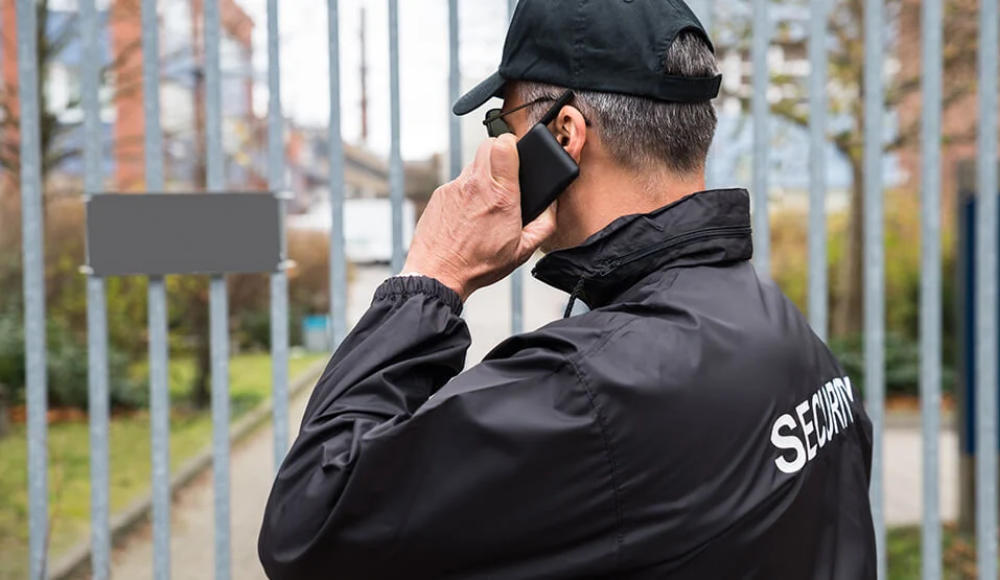
Choosing a security provider is an important decision for any business. Whether you manage an office, retail shop, warehouse or commercial property, you need a team that can protect your premises and support the safety of staff, customers and visitors. A reliable security service can help prevent unwanted access, theft, vandalism and other risks that may affect your business.
However, not every security company offers the same level of service. Some providers have experienced officers, proper management systems and clear procedures, while others may struggle with communication or consistent security cover. Knowing what to look for can help you compare providers and choose a company that understands your requirements.
Valid SIA Licences and Qualified Security Officers
One of the first things to check is whether security officers hold the correct and valid licences. In the UK, people carrying out certain private security activities must hold an appropriate licence issued by the Security Industry Authority (SIA). The licence requirements depend on the type of security work being performed, so businesses should check that officers are licensed for their assigned duties.
A professional security provider should be able to explain its licensing arrangements and confirm that the officers deployed to your premises meet the relevant requirements. Officers should also understand their responsibilities, follow site instructions and behave professionally when dealing with employees and visitors. Checking these details helps businesses make sure that the people responsible for their security are properly qualified.
Relevant Experience Across Different Security Environments
Security requirements can vary considerably between different types of premises. An office building may need controlled access and visitor management, while a retail property may require visible security presence and support with preventing theft. Construction sites often have different concerns, including unauthorised entry, equipment theft and out-of-hours protection. A professional provider should understand these differences.
Ask about the company's experience in environments similar to your own. It should be able to explain the types of security challenges it has managed and how its services can support your site. Relevant experience helps a provider understand daily operations, identify possible weaknesses and arrange suitable security measures instead of relying on a standard service for every client.
Clear Communication and Professional Customer Service
Good communication is an important part of any professional security service. Businesses should know who manages their account, how to contact the security team and how incidents or concerns will be reported. A reliable provider should explain its procedures clearly and make sure clients understand what to expect before the service begins.
Customer service also gives an indication of how a company manages its responsibilities. The provider should listen to your concerns, answer questions properly and provide realistic information about its services. It should also be willing to discuss changes when your business requirements develop. Clear communication makes it easier to manage the service and deal with problems before they become more serious.
SIA Approved Contractor Scheme and Industry Standards
The SIA Approved Contractor Scheme (ACS) is another factor worth considering when comparing security companies. It is a voluntary scheme that assesses private security providers against recognised standards. The assessment covers different areas of business operations, including staff management, training, service delivery and company procedures. Businesses can check the SIA register to confirm whether a provider has current approval for the relevant security activity.
It is important to understand that SIA licences and ACS approval are different. The SIA licences individuals for certain security activities, while the ACS assesses security companies. Not every provider is part of the voluntary scheme, so businesses should not treat approval as the only measure of quality. Instead, consider it alongside experience, staff standards, references and the company's ability to meet your requirements.
Staff Screening and Ongoing Security Training
Professional security services depend on suitable and trustworthy staff. Security officers may be responsible for monitoring entrances, protecting equipment, managing visitors and reporting suspicious activity. Businesses should therefore ask how a provider checks the identity, employment history and suitability of the people it assigns to their premises.
Training is equally important. Security officers may need guidance on access control, emergency procedures, conflict management, customer service and incident reporting. Their training should also reflect the environment in which they work. A professional company should provide suitable site instructions and ongoing support so officers understand their duties and can respond appropriately when situations change.
Reliable Supervision and Consistent Security Cover
A professional security provider should have proper management arrangements in place. Officers need support while carrying out their duties, particularly when they face an unexpected incident or require assistance. Regular supervision helps ensure that staff follow site procedures, maintain professional standards and complete their assigned responsibilities.
Consistent staffing is another important consideration. Businesses need to know how the company handles staff absences, shift changes, holidays and unexpected scheduling problems. When comparing a security company in london, ask how it arranges replacement officers, monitors attendance and deals with urgent concerns outside normal working hours. A clear management structure can help maintain reliable security cover and reduce disruption to daily operations.
Clear Reporting and Transparent Service Agreements
Incident reporting allows businesses to understand what is happening at their premises. Security officers may need to record patrols, visitor activity, access problems, suspicious behaviour and incidents. A professional provider should have a clear process for recording and sharing this information. Reports should be accurate, easy to understand and provided within an agreed timeframe.
The service agreement should also explain the responsibilities of both parties. Check what duties are included, the working hours, supervision arrangements, reporting procedures and how concerns should be raised. If the company uses subcontractors, ask who will manage the work and remain responsible for service delivery. Clear agreements help avoid misunderstandings and make it easier to review whether the provider is meeting the agreed standards.
Conclusion
Finding a professional security provider involves more than checking whether a company offers security guards. Businesses should consider SIA licensing, relevant experience, staff screening, training, supervision and communication. It is also important to review the company's reporting procedures and understand how it maintains consistent security cover.
Taking time to compare these areas can help you choose a provider that understands your premises and business requirements. A reliable security company should be transparent about its qualifications, explain how its team operates and provide support when needed. By checking these signs before making a decision, businesses can build a stronger approach to protecting their people, property and daily operations.
- Monuments historiques
- Restaurant Traditionnel
- Formazione
- Mode
- Formation
- Information
- Restaurant
- culture
- تسويق
- Tourisme
- سياحة
- تنمية
- Découverte
- Art
- Causes
- Crafts
- Dance
- Drinks
- Film
- Fitness
- Food
- Giochi
- Gardening
- Health
- Home
- Literature
- Music
- Networking
- Altre informazioni
- Party
- Religion
- Shopping
- Sports
- Theater
- Wellness
 Italiano
 English
 Arabic
 French
 Spanish
 Portuguese
 Deutsch
 Turkish
 Dutch
 Russian
 Romaian
 Portuguese (Brazil)
 Greek
