


PRP Stem Cell Hair: Exploring Regenerative Treatments for Hair Growth
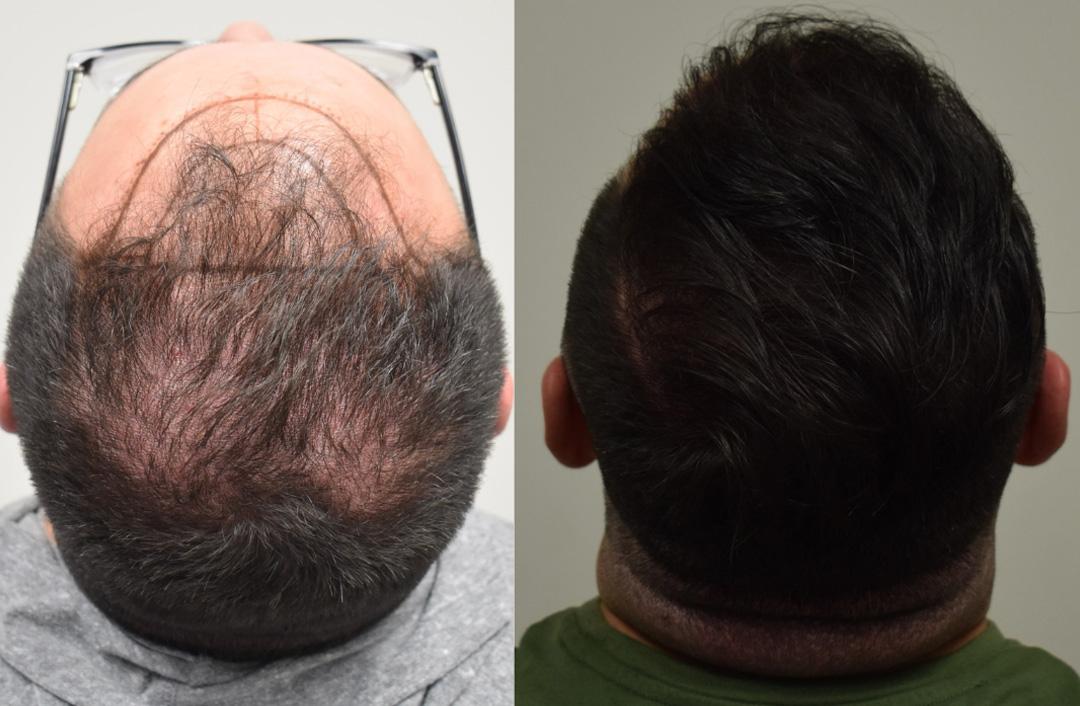
Hair thinning and hair loss can affect confidence and personal appearance. Many people experience changes in hair density because of genetics, hormonal changes, aging, stress, or certain medical conditions. As regenerative medicine continues to develop, PRP Stem Cell Hair treatments have attracted attention among individuals looking for modern hair restoration options.
Platelet-rich plasma (PRP) and stem cell-based therapies are being researched for their potential role in supporting hair follicle activity. Although these approaches are different, both are part of growing interest in regenerative treatments for hair loss.
Understanding PRP Therapy for Hair Loss
Platelet-rich plasma is prepared using a small sample of the patient's own blood. The sample is processed in a centrifuge to separate platelet-rich plasma from other blood components.
Platelets contain growth factors and signaling proteins involved in the body's natural healing processes. During PRP hair treatment, the concentrated plasma is injected into selected areas of the scalp.
Researchers believe these growth factors may help support existing hair follicles and improve hair density in certain individuals. Clinical studies have reported encouraging results, particularly for androgenetic alopecia, although treatment protocols and outcomes can vary.
What Is Stem Cell Hair Treatment?
Stem cell hair treatment is an emerging area of regenerative medicine. Scientists are studying different types of stem cells and cell-derived products to understand how they may influence the hair growth cycle.
These approaches aim to support the biological environment surrounding existing hair follicles. Some research investigates whether cellular signaling can encourage follicular activity and improve hair characteristics.
However, stem cell-based hair restoration remains experimental. It should not be confused with PRP therapy, which uses concentrated platelets from the patient's blood rather than stem cells.
PRP Stem Cell Hair: Understanding the Difference
Although PRP and stem cell treatments are often discussed together, they involve different biological materials and procedures.
PRP Therapy:
-
Uses the patient's own blood.
-
Concentrates platelets and growth factors.
-
Is injected into targeted scalp areas.
-
Has a growing body of clinical research supporting its use for certain types of hair loss.
Stem Cell-Based Therapy:
-
Uses specific cellular preparations or cell-derived materials, depending on the procedure.
-
Is being investigated for its potential regenerative effects.
-
May involve different preparation and administration methods.
-
Requires further research to establish consistent effectiveness and long-term safety.
Understanding these differences helps patients evaluate treatment options and avoid misleading medical claims.
Potential Benefits of PRP Hair Restoration
PRP therapy has become an increasingly researched option for individuals experiencing certain forms of hair thinning.
Potential benefits being investigated include:
-
Supporting existing hair follicles.
-
Improving hair thickness and density.
-
Helping reduce hair shedding in some patients.
-
Providing a minimally invasive treatment option.
-
Using biological material obtained from the patient's own blood.
Results are not guaranteed, and individual responses depend on the underlying cause and severity of hair loss.
Who May Be Suitable for PRP Hair Treatment?
PRP may be considered for individuals experiencing early or moderate pattern hair loss. However, a proper diagnosis is important before beginning treatment.
A dermatologist or qualified hair restoration specialist may examine the scalp, review medical history, and identify possible causes of thinning.
Patients with nutritional deficiencies, hormonal conditions, scalp disorders, or other medical causes of hair loss may require additional evaluation and treatment.
What Happens During a PRP Hair Procedure?
A typical PRP procedure involves several steps.
1. Blood Collection: A healthcare professional collects a small blood sample from the patient.
2. Plasma Separation: The sample is processed using a centrifuge to concentrate platelets.
3. Scalp Preparation: The treatment area is cleaned, and appropriate comfort measures may be used.
4. PRP Application: The concentrated plasma is injected into selected scalp areas.
5. Follow-Up: The specialist evaluates progress and determines whether additional sessions are appropriate.
Treatment schedules vary because there is no universally accepted PRP protocol for hair loss.
The Future of Regenerative Hair Restoration
Medical researchers continue investigating PRP, stem cell-derived products, and other regenerative approaches for hair restoration. These studies aim to improve understanding of hair follicle biology and identify treatments that may provide more consistent outcomes.
PRP currently has stronger clinical support than most experimental stem cell-based hair treatments. However, further standardized research is needed to determine ideal treatment methods, long-term results, and patient suitability.
Patients should also understand that PRP is not an FDA-approved medication for hair growth, and many stem cell-based hair restoration procedures remain investigational.
Choosing a Qualified Hair Restoration Specialist
Selecting an experienced medical professional is an important part of any hair restoration journey. Patients should discuss their diagnosis, available treatment options, possible side effects, expected outcomes, and costs before proceeding.
A responsible specialist should explain whether a proposed procedure involves PRP, actual cellular preparations, or another regenerative product. Patients should be cautious of advertisements promising guaranteed hair regrowth or permanent cures.
PRP Stem Cell Hair treatments represent growing interest in regenerative approaches to hair restoration. PRP uses concentrated platelets from the patient's blood and has encouraging clinical evidence for certain types of hair loss, while stem cell-based treatments continue to undergo scientific investigation.
Understanding the differences between these approaches helps individuals make informed decisions. With professional medical guidance, an accurate diagnosis, and realistic expectations, patients can explore suitable options for managing hair thinning and improving hair health.
- Monuments historiques
- Restaurant Traditionnel
- Éducation
- Mode
- Formation
- Information
- Restaurant
- culture
- تسويق
- Tourisme
- سياحة
- تنمية
- Découverte
- Art
- Causes
- Crafts
- Dance
- Drinks
- Film
- Fitness
- Food
- Jeux
- Gardening
- Health
- Domicile
- Literature
- Music
- Networking
- Autre
- Party
- Religion
- Shopping
- Sports
- Theater
- Wellness
 French
 English
 Arabic
 Spanish
 Portuguese
 Deutsch
 Turkish
 Dutch
 Italiano
 Russian
 Romaian
 Portuguese (Brazil)
 Greek
