


How Fleet Managers Can Evaluate Repair Vendor Performance Across Multiple Locations
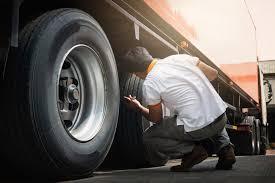
Managing a fleet in various locations poses its own set of difficulties. While a repair vendor might offer great service in one city, he might not do the same in another city. This can lead to late repairs, variations in pricing, poor communication, and maintenance problems, thus impacting delivery schedules and adding to operating costs. For the owner-operators and fleet managers, choosing a repair vendor involves more than just fixing a truck. It involves looking for a partner who will help them with their operations in various cities. This is where working with reliable commercial fleet repair services becomes helpful.
Why Vendor Performance Matters Across Multiple Locations
If a fleet is operating in multiple cities or states, then the repair job may be done by various repair personnel, service centers, or mobile repair teams. The lack of a standard procedure will result in varied quality of service from place to place.
For instance, a repair center in one city will be able to finish routine maintenance in one day, while another city will require more than a few days to complete the same task. Variations in the cost of labor, availability of spare parts, and communication may pose challenges to budgeting as well.
Vendor underperformance may result in:
-
Increased vehicle downtime and delivery schedule delays.
-
High cost of repairs due to non-uniform pricing.
-
Repairs required because of incomplete or low-quality repairs.
-
Lack of visibility regarding vehicle maintenance history.
-
Increased time spent on coordination with various service providers.
Regular vendor evaluation will help detect such issues in advance.
1. Track Repair Turnaround Time
One of the simplest ways of assessing a repair vendor is by looking at how fast they do the assigned job. Time spent on a truck in a repair shop could impact the schedule of the driver and income generation.
Nevertheless, the time should be evaluated depending on the nature of the repair. An oil change should not be compared with engine repair or any other type of trailer repair.
Fleet managers need to consider the following factors:
-
The time between requesting the service and receiving confirmation.
-
The time taken to assess the vehicle and give an estimate.
-
The actual time taken to finish the repair job.
-
Time taken due to unavailable parts or additional repairs.
-
Time taken to put the vehicle back into service.
Comparing these statistics from different locations will help you find vendors who meet the set time frame. In addition, you should request vendors to give reasons for the delays.
2. Compare Repair Costs Across Locations
Repair expenses can differ from city to city on the basis of labor costs, parts expense, and other costs. However, there can be variations, yet any disparity without explanation should be looked into carefully.
It means that if one vendor charges much more for the same type of brake repair work than the other vendor, the manager of the fleet must compare the vendors' estimates.
Things to look at are:
-
Labor expense and hourly labor costs.
-
Costs of parts and parts availability.
-
Additional servicing cost.
-
Cost of emergency repairs.
-
Discount on the maintenance services performed regularly.
Do not choose the vendor just because he/she charges low for repairs. In most cases, it will end up with the need for further visits since the work will not be done right.
3. Evaluate Repair Quality and Repeat Issues
Speedy repairs and low costs are meaningless if the same vehicle continues coming back to the workshop for the same issue.
Repeat repairs can add to the costs and cause downtime unnecessarily. Repeat repairs can also indicate poor diagnosis, wrong parts used, or incomplete repairs.
The manager of the commercial fleet needs to keep track of:
-
Repeat repairs within a short time frame.
-
Repeat replacement of the same parts.
-
Complaints from customers regarding completed repairs.
-
Warranty claims and repair corrections.
-
Post-repair inspection following major repairs.
If one location has a greater number of repeat problems than another, then the cause must be found out. The cause could be any of several things, such as lack of experience, quality of parts, or the repair process itself.
Good commercial fleet repair services will aim at fixing the problem and not just the symptoms.
4. Check Communication and Reporting
Good communication makes fleet maintenance easier to manage. Fleet managers should not have to make several calls just to find out whether a truck has been inspected or when it will be ready.
A dependable vendor should provide clear updates about the repair process, including unexpected costs and changes in completion time.
Check whether the vendor:
-
Responds to service requests within a reasonable time.
-
Provides clear repair estimates before starting additional work.
-
Shares updates when delays occur.
-
Explains technical problems in simple language.
-
Provides invoices and completed work details.
-
Maintains accurate service records.
Consistent reporting becomes especially important when several locations are involved. Having the same basic information from every vendor makes it easier to compare performance and plan maintenance.
5. Review Parts Availability and Service Coverage
A repair vendor may have skilled technicians but still struggle to complete jobs on time because the required parts are unavailable.
Fleet managers should check whether vendors can source commonly needed components and how they handle unexpected repair requirements.
Service coverage also matters. If a truck breaks down outside a vendor's normal service area, the fleet may need another provider, creating additional costs and delays.
Before choosing a vendor, consider:
-
Availability of common replacement parts.
-
Access to qualified technicians.
-
Mobile repair and roadside support options.
-
Coverage across important operating routes.
-
Ability to handle different truck and trailer types.
Epika Fleet Services brings together a network of maintenance and repair providers, with mobile and in-shop service options for commercial fleets. This type of network can give fleet operators more flexibility when managing maintenance needs across different markets.
6. Use Performance Metrics to Compare Vendors
Instead of relying on personal opinions or occasional feedback, fleet managers should use basic performance metrics to evaluate every repair location.
A simple vendor scorecard can make comparisons easier.
|
Performance Metric |
What to Measure |
|
Turnaround time |
Average time to complete repairs |
|
Repair cost |
Total cost per job |
|
Repair quality |
Repeat repairs and warranty issues |
|
Communication |
Response time and update frequency |
|
Parts availability |
Delays caused by missing parts |
|
Service coverage |
Areas and vehicles supported |
Review these figures monthly or quarterly. A vendor that performs well in most areas but struggles with turnaround time may need a clear improvement plan rather than immediate replacement.
7. Build Consistent Vendor Standards
When working with multiple repair providers, fleet managers should establish basic service expectations for everyone. This reduces confusion and makes performance easier to measure.
Set clear guidelines for estimates, repair approvals, reporting, parts usage, and expected completion times. Ask vendors to provide itemized invoices and maintain records of all completed work.
Epika Fleet Services focuses on connecting fleets with repair and maintenance providers through a nationwide network. Fleet operators can explore its service options when looking for support with maintenance, repairs, and service coordination across different markets.
Having consistent expectations helps fleet managers maintain better control without personally managing every repair job.
Final Thoughts
Evaluating repair vendors across multiple locations requires more than comparing invoices or checking which shop finishes work first. Fleet managers need to consider repair quality, turnaround time, communication, parts availability, and overall service costs. Regular performance reviews can help identify weak areas, reduce repeat repairs, and improve fleet uptime. Partnering with dependable commercial fleet repair services also makes it easier to maintain consistent standards across different markets. Epika Fleet Services offers a network of maintenance and repair providers that fleet operators can explore when looking for broader service coverage. The goal is simple: work with reliable vendors, control repair spending, and keep trucks moving without unnecessary delays.
 Portuguese (Brazil)
 English
 Arabic
 French
 Spanish
 Portuguese
 Deutsch
 Turkish
 Dutch
 Italiano
 Russian
 Romaian
 Greek
