


Managing Seasonal Contractors With 1099 Outsourcing Services
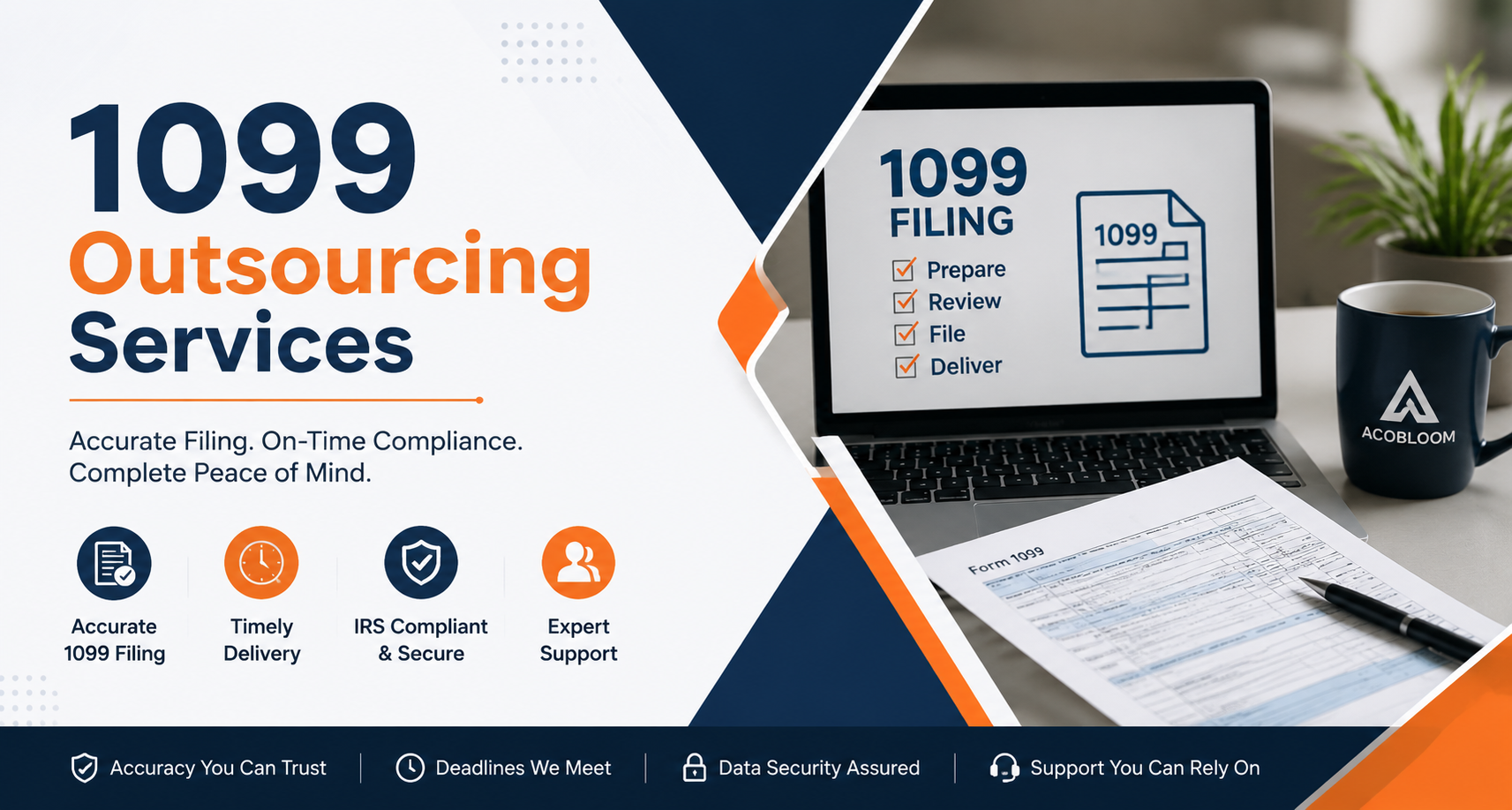
Many US businesses experience changes in their workforce throughout the year. A retail company may bring in extra marketing support before the holiday season, a construction business may hire independent specialists for specific projects, and a professional services firm may work with freelance consultants when client demand increases. These arrangements offer flexibility, but they also create additional accounting responsibilities. 1099 Outsourcing Services can help businesses manage contractor payment records, organize tax information, and prepare for year-end reporting without placing unnecessary pressure on their internal teams.
Working with independent contractors can be a sensible way to control operating costs and access specialized skills. However, every new vendor adds another set of records that the finance department must maintain. When contractor activity increases during busy periods, keeping everything organized becomes even more important.
The Accounting Challenges of a Flexible Workforce
A business with a permanent workforce often follows a predictable payroll schedule. Contractor payments can be less consistent. Some vendors receive monthly payments, others submit invoices after completing a project, and some are hired only for a few weeks.
This creates several accounting challenges.
For example, a home improvement company may hire electricians, freelance designers, and independent project consultants during different stages of the year. Each contractor may have a different payment arrangement and documentation requirement. If the business does not maintain accurate vendor records, its accounting team may spend considerable time identifying payments and confirming contractor details.
The problem becomes more noticeable when several projects finish close to year-end. Finance employees must continue their regular responsibilities while also reviewing contractor information for tax reporting.
Using 1099 Outsourcing Services can help businesses manage these activities through a more structured process. External accounting professionals can assist with organizing vendor records, reviewing payment information, and identifying missing details before the reporting period becomes too busy.
Why Seasonal Hiring Requires Better Recordkeeping
Seasonal hiring often happens quickly. A company may need additional support immediately and prioritize getting the work started over completing every administrative step.
Although speed is important, skipping proper documentation can create problems later.
A contractor's legal name may be entered incorrectly, a mailing address may be missing, or the tax documentation may not have been collected. These details might seem minor when the contractor is first hired, but they can delay year-end preparation.
Businesses should make vendor onboarding a standard part of their purchasing and payment process. Before payments are processed, the appropriate information should be requested and recorded according to company procedures.
For many US payees, Form W-9 provides the taxpayer identification information used for relevant information reporting. Companies should store these documents securely and make sure access is limited to authorized employees.
Professional 1099 Outsourcing Services can support this process by helping maintain organized records and following up on incomplete information. This allows the business to address documentation gaps while the contractor relationship is still active.
Keeping Contractor Payments Organized
Seasonal contractors may work across multiple projects, departments, or locations. Their invoices might be approved by different managers, even though payments are processed through one accounting department.
Without a consistent process, payment information can become fragmented.
One department might record an invoice under the contractor's business name, while another uses the individual's name. A payment could also be entered under a project expense category rather than the appropriate vendor account.
These differences make it harder to produce reliable year-end reports.
A good payment management process should include:
-
Maintaining one consistent vendor profile for each contractor.
-
Recording invoices against the correct vendor account.
-
Reviewing payment dates and transaction descriptions.
-
Separating contractor payments from unrelated business expenses.
-
Investigating duplicate or unusual transactions.
-
Keeping supporting documents organized for future reference.
1099 Outsourcing Services can provide additional assistance with these tasks, particularly when a company has many vendors but a limited internal accounting team.
Understanding Which Payments Need Reporting
Not every payment made to an outside service provider automatically belongs on a Form 1099. Reporting depends on factors such as the type of payment, the recipient's tax classification, the amount paid, and the payment method.
For example, qualifying nonemployee compensation is generally reported on Form 1099-NEC when applicable requirements are met. Certain other payments may fall under Form 1099-MISC. Payments made through qualifying payment card or third-party network transactions may be subject to Form 1099-K reporting by the payment settlement entity instead.
These distinctions matter because simply reviewing a vendor's total payments may not provide enough information to determine the correct reporting treatment.
Businesses should review the nature of each transaction and consider applicable IRS rules before preparing information returns. An experienced accounting team can help organize the information and identify transactions that require further attention.
With 1099 Outsourcing Services, companies can receive support in reviewing payment records and preparing organized reports for internal verification.
Managing Year End Workloads More Effectively
For many small businesses, year-end accounting already involves several competing priorities. Finance teams may be closing monthly books, preparing financial statements, reviewing expenses, coordinating with tax professionals, and responding to management requests.
Adding contractor reporting to this workload can create unnecessary pressure.
One way to make the process easier is to distribute the work throughout the year. Instead of waiting until January, businesses can review vendor information periodically, reconcile payments, and resolve documentation gaps as they arise.
An outsourcing partner can assist with recurring preparation tasks so the internal team does not have to manage every activity alone.
A typical workflow may involve collecting vendor details, reviewing payment histories, checking for duplicate records, identifying potentially reportable transactions, and preparing draft forms for approval.
Businesses using 1099 Outsourcing Services can therefore approach year-end reporting with better-organized information rather than starting the entire process from scratch.
How Outsourcing Supports Growing Businesses
A company may begin with only a few independent contractors and gradually expand its external workforce. As the number of vendors increases, the administrative effort required to manage them also grows.
Hiring additional accounting employees may not always be practical, particularly when contractor reporting creates a temporary increase in workload.
Outsourcing offers another option. Businesses can obtain support for defined accounting activities without immediately expanding their permanent teams.
This arrangement can be useful for:
Small businesses: Owners can spend less time organizing contractor payment information and more time managing operations.
Construction companies: Project-based hiring often involves multiple independent service providers with different payment schedules.
Marketing agencies: Freelancers and specialist consultants may be engaged for individual campaigns or client projects.
Professional service firms: External specialists can support work during periods of increased demand.
CPA firms: Additional preparation and reconciliation support can help manage multiple client engagements during busy reporting periods.
The level of support should depend on the business's actual requirements. Some companies may need assistance only during year-end preparation, while others may benefit from regular vendor record maintenance throughout the year.
Protecting Contractor Information During the Process
Tax documentation contains confidential information, so recordkeeping should include appropriate security measures.
Businesses should avoid sharing tax forms through unsecured channels or giving unnecessary employees access to sensitive vendor details. They should also understand how an outsourcing provider stores, accesses, and handles financial information.
Before starting an engagement, companies should establish clear procedures for document sharing, user permissions, communication, and data retention.
A reliable outsourcing arrangement should also define who is responsible for reviewing information and approving final forms. The external team may assist with preparation, but the business should retain appropriate oversight of its reporting obligations.
These safeguards help make outsourcing a more dependable part of the accounting process.
Choosing a Provider That Understands Your Workflow
The right outsourcing partner should understand that every business has different contractor arrangements and accounting procedures. A provider should not rely on a one-size-fits-all approach.
Before selecting a service provider, businesses should consider its experience with US accounting processes, familiarity with relevant information returns, communication standards, and data security practices.
It is also useful to understand how the provider handles incomplete documentation, payment discrepancies, corrections, and urgent requests. Clear responsibilities and regular updates can prevent confusion during busy periods.
Businesses should discuss the scope of work in advance. This may include vendor data organization, payment reconciliation, preparation assistance, and reporting support. The internal finance team should know which activities remain under its control and when its approval is required.
Build a More Reliable Contractor Reporting Process
A flexible workforce can help businesses respond to changing customer demand, complete specialized projects, and manage seasonal activity. However, flexibility should not come at the expense of accurate accounting records.
By maintaining updated vendor information, reviewing contractor payments regularly, and addressing documentation gaps early, companies can make their reporting process more manageable.
1099 Outsourcing Services can support these efforts by providing additional accounting capacity and helping businesses prepare organized information for year-end review.
AcoBloom International provides outsourced bookkeeping, tax preparation, payroll, and financial reporting support to businesses and accounting firms. With a consistent accounting process and the right level of professional assistance, companies can manage contractor records more confidently while keeping their internal teams focused on essential business activities.
The key is to treat contractor reporting as an ongoing accounting responsibility rather than a task that begins when the filing deadline is approaching.
- Monuments historiques
- Restaurant Traditionnel
- Onderwijs
- Mode
- Formation
- Information
- Restaurant
- culture
- تسويق
- Tourisme
- سياحة
- تنمية
- Découverte
- Art
- Causes
- Crafts
- Dance
- Drinks
- Film
- Fitness
- Food
- Spellen
- Gardening
- Health
- Home
- Literature
- Music
- Networking
- Overig
- Party
- Religion
- Shopping
- Sports
- Theater
- Wellness
 Dutch
 English
 Arabic
 French
 Spanish
 Portuguese
 Deutsch
 Turkish
 Italiano
 Russian
 Romaian
 Portuguese (Brazil)
 Greek
