


Digital Marketing Company in Patna for Brand Growth
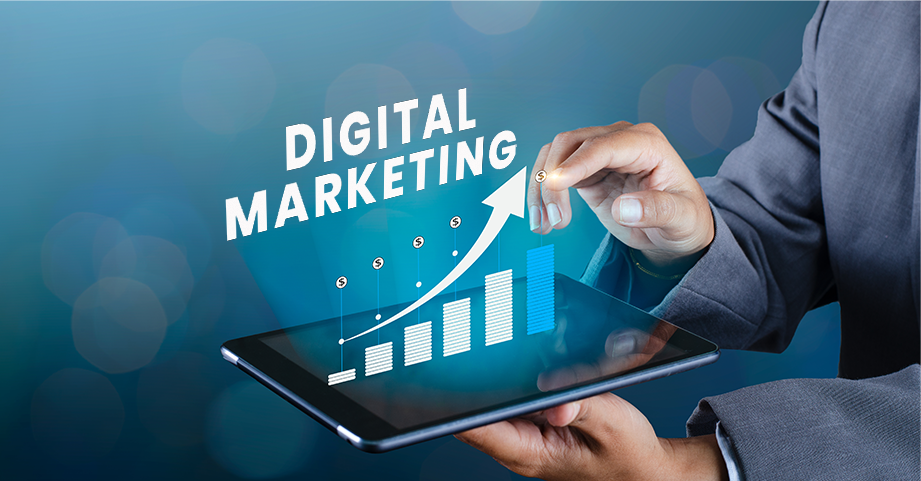
The way people discover and choose businesses has changed significantly. Before visiting a shop, contacting a service provider, or purchasing a product, many customers search online to explore their options. They compare websites, read customer reviews, check social media profiles, and look for information that helps them make confident decisions.
This shift has created new opportunities for businesses of every size. Whether someone runs a local shop, manages a startup, operates an educational institution, or provides professional services, an effective online presence can help them connect with potential customers.
However, simply creating a website or posting occasionally on social media does not guarantee business growth. Companies need a clear strategy that combines search engine optimisation, paid advertising, content marketing, social media management, and performance analysis.
This is where a digital marketing company in Patna can make a difference. By understanding business objectives and customer behaviour, digital marketing professionals can help organisations develop a stronger online presence and reach relevant audiences.
In this guide, we will explore digital marketing services, their benefits, important marketing strategies, and how businesses can choose the right digital marketing partner.
What Is Digital Marketing?
Digital marketing refers to promoting products, services, and brands through internet-based channels and digital technologies. It allows businesses to communicate with potential customers through search engines, websites, social media platforms, email, and online advertising.
Unlike traditional marketing, digital marketing provides different ways to understand audience behaviour and measure campaign performance.
For example, a company can monitor website visits, identify which pages attract attention, measure advertising conversions, and understand how visitors interact with its content.
Some common digital marketing channels include:
-
Search Engine Optimisation (SEO)
-
Pay-Per-Click Advertising (PPC)
-
Social Media Marketing (SMM)
-
Content Marketing
-
Website Development
-
Email Marketing
-
Local SEO
-
Online Reputation Management
Businesses can use these channels individually or combine them to achieve specific marketing objectives.
Why Do Businesses Need Digital Marketing?
Customers increasingly use online platforms to research products and services. A business that does not maintain a useful online presence may miss opportunities to connect with people who are already looking for its offerings.
Digital marketing helps businesses address this challenge through targeted communication and consistent online visibility.
1. Improve Online Visibility
A well-optimised website can help potential customers discover a business through relevant search queries.
For example, someone searching for a particular service may come across a company's website through organic search results.
SEO, useful website content, and local search optimisation can help improve the chances of appearing for relevant searches.
2. Reach the Right Audience
Not every visitor is a potential customer. An effective marketing strategy focuses on reaching people whose interests, requirements, and purchasing intentions match the business.
Paid advertising platforms allow advertisers to select audiences and campaign objectives. Businesses can also use SEO and content marketing to attract people searching for relevant information.
3. Build Customer Trust
Customers often research a company before contacting it. A professional website, clear service descriptions, genuine customer reviews, useful articles, and consistent communication can create a more trustworthy impression.
Trust does not develop through advertisements alone. Businesses must also deliver the experience they promise.
4. Understand Marketing Performance
Digital platforms provide reporting tools that help businesses evaluate their marketing activities.
Companies can review metrics such as website traffic, enquiries, conversions, advertising expenditure, and engagement.
These insights help marketers identify what works and where improvements are necessary.
Important Services Offered by a Digital Marketing Company in Patna
A professional digital marketing strategy involves several interconnected activities. The right combination depends on the business model, target audience, competition, and available budget.
Let's understand the major services.
1. Search Engine Optimisation (SEO)
Search Engine Optimisation is the process of improving a website so that search engines can understand its content and users can discover relevant pages through organic search results.
SEO is an important part of long-term digital visibility. It focuses on improving website structure, content quality, technical performance, and relevance to search queries.
Some important SEO activities include:
Keyword Research: Identifying relevant search terms that potential customers use when looking for products or services.
On-Page SEO: Optimising page titles, meta descriptions, headings, content, internal links, and image descriptions.
Technical SEO: Improving website crawlability, indexing, mobile usability, page performance, and technical structure.
Off-Page SEO: Building website authority through relevant backlinks, digital mentions, and genuine industry relationships.
Local SEO: Improving visibility for location-related searches through accurate business information and relevant local content.
A successful SEO strategy focuses on useful information rather than repeating keywords unnecessarily.
2. Local SEO and Google Business Profile
Local SEO helps businesses connect with customers searching for services in a particular geographical area.
For example, a customer searching for a nearby coaching institute, restaurant, clinic, or repair service may explore local business listings on Google Search and Maps.
A properly maintained Google Business Profile can support this discovery process.
Important local SEO activities include:
-
Completing and verifying the business profile.
-
Selecting accurate business categories.
-
Adding genuine business photographs.
-
Maintaining correct contact information and working hours.
-
Publishing relevant business updates.
-
Responding professionally to customer reviews.
-
Maintaining consistent business information across relevant directories.
Google explains that local search rankings mainly consider relevance, distance, and prominence. Businesses cannot simply pay Google to obtain a better local organic ranking.
3. Social Media Marketing
Social media marketing allows businesses to communicate with audiences through platforms such as Facebook, Instagram, LinkedIn, and YouTube.
It can support brand awareness, customer engagement, community building, and website traffic.
However, effective social media marketing requires more than uploading random photographs or promotional messages.
A structured strategy may include:
-
Monthly content planning.
-
Educational and informative posts.
-
Product and service presentations.
-
Short-form videos and reels.
-
Festival and occasion-based creatives.
-
Audience engagement.
-
Performance monitoring.
For example, an educational institution can share admission information, course explanations, student guidance, and educational videos.
A professional service provider may focus on industry insights, case studies, customer questions, and service-related information.
The content should match the audience rather than follow every social media trend.
4. Pay-Per-Click Advertising (PPC)
Pay-Per-Click advertising allows businesses to display paid advertisements across platforms such as Google Ads.
Advertisers generally pay when users perform specific interactions, such as clicking an advertisement, depending on the campaign's bidding and pricing model.
Google Ads can display advertisements when people search for relevant keywords or browse participating websites and platforms.
PPC campaigns can help businesses:
-
Reach relevant audiences.
-
Promote specific services.
-
Generate enquiries.
-
Increase product visibility.
-
Test marketing messages.
-
Measure advertising conversions.
However, advertising expenditure alone does not guarantee sales.
Campaign performance depends on several factors, including keyword selection, targeting, advertisement quality, landing page experience, competition, and conversion tracking.
A good PPC strategy monitors actual business outcomes rather than celebrating clicks without understanding their value.
5. Content Marketing
Content marketing involves creating and distributing useful information to attract and engage a defined audience.
It can include blog articles, guides, videos, infographics, industry explanations, and educational resources.
For example, a real estate company can publish articles explaining property documentation, home-buying considerations, and common questions about property purchases.
Similarly, a healthcare organisation can share general educational information while ensuring that medical content receives appropriate professional review.
Good content marketing helps businesses answer customer questions before a sales conversation begins.
It also provides opportunities to attract relevant organic search traffic and develop industry credibility.
6. Website Design and Development
A website often serves as the central destination for a company's digital marketing activities.
Even when a business receives traffic from social media or paid advertisements, visitors may eventually check its website before making contact.
An effective business website should offer:
-
Clear navigation.
-
Mobile-friendly layouts.
-
Fast and reliable performance.
-
Relevant service information.
-
Easy-to-find contact details.
-
Useful calls to action.
-
Secure browsing.
-
Accessible and readable content.
Website design should balance appearance and usability. A visually attractive website is helpful, but visitors should not need a treasure map to find the contact page.
7. Email Marketing
Email marketing provides a direct communication channel between businesses and people who have subscribed or otherwise agreed to receive relevant messages.
Companies can use email campaigns to share newsletters, service updates, educational resources, product information, and important announcements.
An effective email strategy focuses on relevant communication rather than sending repeated promotional messages.
Businesses should also follow applicable privacy requirements and provide appropriate subscription and unsubscribe options.
8. Online Reputation Management
Online reputation management focuses on how customers perceive a business across digital platforms.
Customer reviews, public feedback, social media discussions, and business information can influence purchasing decisions.
A responsible reputation management strategy includes:
-
Monitoring customer feedback.
-
Responding to reviews professionally.
-
Addressing genuine complaints.
-
Correcting inaccurate business information.
-
Sharing authentic customer experiences.
-
Maintaining transparent communication.
No business can satisfy every customer every time. However, the way it handles feedback can demonstrate its commitment to customer service.
How Digital Marketing Helps Different Businesses in India
Digital marketing is not limited to large organisations or technology companies. Businesses across different industries can use online channels according to their objectives.
Here are some practical examples.
Small and Local Businesses
Retail shops, restaurants, salons, repair services, and other local businesses can use local SEO, Google Business Profile, social media, and targeted advertising to improve their online discoverability.
Educational Institutions
Schools, colleges, coaching centres, and training institutes can use informative content, SEO, social media campaigns, and paid advertisements to communicate course details and admission information.
Real Estate Companies
Real estate businesses can use property landing pages, search advertising, informative articles, and social media content to introduce properties and generate relevant enquiries.
Healthcare Organisations
Clinics, diagnostic centres, and healthcare providers can publish professionally reviewed educational information, maintain accurate business listings, and make essential contact details easier to find.
Startups and Service-Based Companies
Startups and professional service providers can use SEO, content marketing, email campaigns, and paid advertising to introduce their services and build relationships with potential customers.
The important point is to select marketing channels according to actual business requirements instead of investing in every available platform.
How to Choose the Right Digital Marketing Company in Patna
Selecting a digital marketing partner requires careful evaluation. Businesses should look beyond promotional promises and understand how an agency approaches marketing challenges.
Consider the following factors before making a decision.
1. Understand Its Digital Marketing Approach
Ask how the company plans to understand your business, identify your audience, and select suitable marketing channels.
A reliable strategy should begin with research and objectives rather than immediately recommending expensive advertising campaigns.
2. Review Previous Work
Explore the company's website, published content, portfolio, and available case studies.
Ask for relevant examples of previous projects where appropriate. Check whether the company can explain its actual contribution and the results it measured.
3. Evaluate Communication
Clear communication helps businesses understand campaign activities, priorities, challenges, and progress.
Your marketing partner should explain technical concepts in understandable language and provide regular updates.
4. Ask About Reporting
A professional agency should explain which performance indicators it tracks and why those indicators matter.
For example, an SEO campaign may monitor organic traffic, keyword visibility, indexed pages, and relevant enquiries.
An advertising campaign may focus on expenditure, conversions, cost per conversion, and lead quality.
5. Avoid Unrealistic Guarantees
Be cautious of agencies promising guaranteed first-page rankings, instant traffic growth, or a fixed number of sales without understanding your business.
Search engine rankings and customer behaviour depend on multiple factors. No agency can honestly control every aspect of these outcomes.
Why Choose Websofto Technologies for Digital Marketing?
Choosing a digital marketing partner is an important business decision. Companies need a team that understands their objectives and can connect marketing activities with measurable business requirements.
Websofto Technologies focuses on helping businesses understand and use digital channels to strengthen their online presence.
A practical digital marketing approach should begin by identifying the company's current position, target audience, competition, and growth objectives.
Based on these requirements, businesses can explore relevant activities such as:
-
Search engine optimisation.
-
Website development and optimisation.
-
Content marketing.
-
Social media management.
-
Paid advertising campaigns.
-
Local search optimisation.
-
Digital performance analysis.
The objective should be to build a coordinated marketing strategy rather than treat every service as a separate activity.
Businesses interested in understanding the available approach can explore the digital marketing services offered by Websofto Technologies.
Before selecting any service, discuss your requirements, expected outcomes, reporting process, and available budget.
How to Measure Digital Marketing Performance
Digital marketing becomes more useful when businesses evaluate its contribution to their objectives.
However, not every campaign should use the same performance indicators.
Here are some important metrics to consider.
Organic Traffic: Measures visits that arrive through unpaid search results.
Keyword Visibility: Helps evaluate how a website appears for relevant search queries.
Engagement: Shows how users interact with content, social media posts, and other digital experiences.
Click-Through Rate (CTR): Measures the percentage of impressions that result in clicks.
Conversion Rate: Measures the percentage of visitors who complete a desired action.
Cost Per Lead: Calculates advertising or marketing expenditure relative to the number of leads generated.
Return on Investment (ROI): Helps businesses assess the financial return of their marketing investment.
Google Analytics and Google Ads provide tools that businesses can use to understand website activity and advertising performance.
The most important step is to connect marketing reports with genuine business outcomes. A campaign generating thousands of visits may still need improvement if those visitors have little interest in the services being offered.
Common Digital Marketing Mistakes Businesses Should Avoid
Even a well-funded marketing campaign can struggle when businesses overlook basic planning.
Avoid these common mistakes:
-
Ignoring the target audience: Marketing messages should address the needs of relevant customers.
-
Publishing low-quality content: Repetitive or unhelpful information does little to establish credibility.
-
Neglecting website experience: Confusing navigation and unclear contact information can discourage visitors.
-
Ignoring mobile users: Websites should work properly across different screen sizes.
-
Running advertisements without tracking: Businesses need conversion data to understand campaign performance.
-
Expecting immediate SEO results: Organic search visibility requires ongoing work and cannot be guaranteed within a fixed period.
-
Buying fake reviews or backlinks: Manipulative practices can damage credibility and create search policy risks.
-
Using every social platform without a strategy: Businesses should prioritise channels that match their audiences and objectives.
A clear strategy and consistent evaluation are generally more useful than constantly changing direction.
Future of Digital Marketing in India
Digital marketing continues to evolve as search technology, online platforms, customer expectations, and artificial intelligence develop.
Businesses must pay attention to these changes while keeping their marketing strategies focused on customer needs.
Some important areas include:
AI-Assisted Marketing
Artificial intelligence tools can support research, content planning, data analysis, and campaign workflows.
However, businesses should review AI-generated information carefully. Accuracy, originality, usefulness, and human oversight remain important.
Video Content
Short videos, demonstrations, tutorials, and informative presentations provide additional ways to communicate with audiences.
Businesses should focus on useful and relevant videos rather than producing content simply to follow trends.
Local Search Experiences
Accurate business information, customer reviews, useful location pages, and strong website content can help businesses connect with people searching for nearby services.
Data-Driven Decisions
Marketing teams can use analytics and campaign reports to understand customer behaviour, identify opportunities, and improve their strategies.
The businesses that adapt thoughtfully will be better positioned to respond to changing customer expectations.
Conclusion
Digital marketing has become an important part of business development in India. It helps companies improve online visibility, communicate with potential customers, establish credibility, and understand their marketing performance.
However, meaningful growth requires more than publishing social media posts or running advertisements. Businesses need a clear strategy, useful content, a functional website, appropriate marketing channels, and consistent performance analysis.
Choosing the right digital marketing company in Patna can help businesses understand these activities and develop a structured approach to online growth.
Websofto Technologies aims to help businesses explore digital marketing opportunities through relevant online strategies and services. By focusing on business objectives, customer requirements, and measurable performance, companies can build a stronger foundation for their digital presence.
For businesses planning their next stage of online growth, understanding the right digital marketing strategy is a sensible place to start.
Frequently Asked Questions (FAQs)
1. What does a digital marketing company do?
A digital marketing company helps businesses promote their products and services through online channels. Its work may include SEO, social media marketing, PPC advertising, content marketing, website development, and online reputation management.
2. Why should a business invest in digital marketing?
Digital marketing can help businesses reach relevant audiences, improve online visibility, communicate with customers, generate enquiries, and measure marketing performance.
3. Which digital marketing services are important for small businesses?
Small businesses can consider local SEO, Google Business Profile management, social media marketing, website optimisation, content marketing, and targeted advertising. The right combination depends on their audience and objectives.
4. How long does SEO take to show results?
SEO does not follow a fixed timeline. Results depend on competition, website condition, content quality, technical issues, and the work involved. Businesses should monitor progress over time rather than expect guaranteed immediate rankings.
5. Is digital marketing suitable for startups?
Yes. Startups can use digital marketing to introduce their products, explain their services, build brand awareness, attract relevant audiences, and understand customer interest.
6. What is the difference between SEO and PPC?
SEO focuses on improving visibility in unpaid search results, while PPC involves paid advertising campaigns. SEO can support long-term organic visibility, whereas PPC can provide paid exposure while campaigns run.
7. How can local SEO help businesses?
Local SEO helps businesses improve their visibility in geographically relevant searches. Accurate business information, relevant website content, customer reviews, and an optimised Google Business Profile can support local discovery.
8. How can I evaluate a digital marketing agency?
Review its services, communication, previous work, reporting practices, marketing approach, and understanding of your business. Avoid making decisions based only on guaranteed ranking or sales promises.
- Monuments historiques
- Restaurant Traditionnel
- EĞİTİM BİLGİLERİ
- Mode
- Formation
- Information
- Restaurant
- culture
- تسويق
- Tourisme
- سياحة
- تنمية
- Découverte
- Art
- Causes
- Crafts
- Dance
- Drinks
- Film
- Fitness
- Food
- Oyunlar
- Gardening
- Health
- Ana sayfa
- Literature
- Music
- Networking
- diğer
- Party
- Religion
- Shopping
- Sports
- Theater
- Wellness
 Turkish
 English
 Arabic
 French
 Spanish
 Portuguese
 Deutsch
 Dutch
 Italiano
 Russian
 Romaian
 Portuguese (Brazil)
 Greek
