


Textile Garment Market Size and Global Share Outlook - 2030
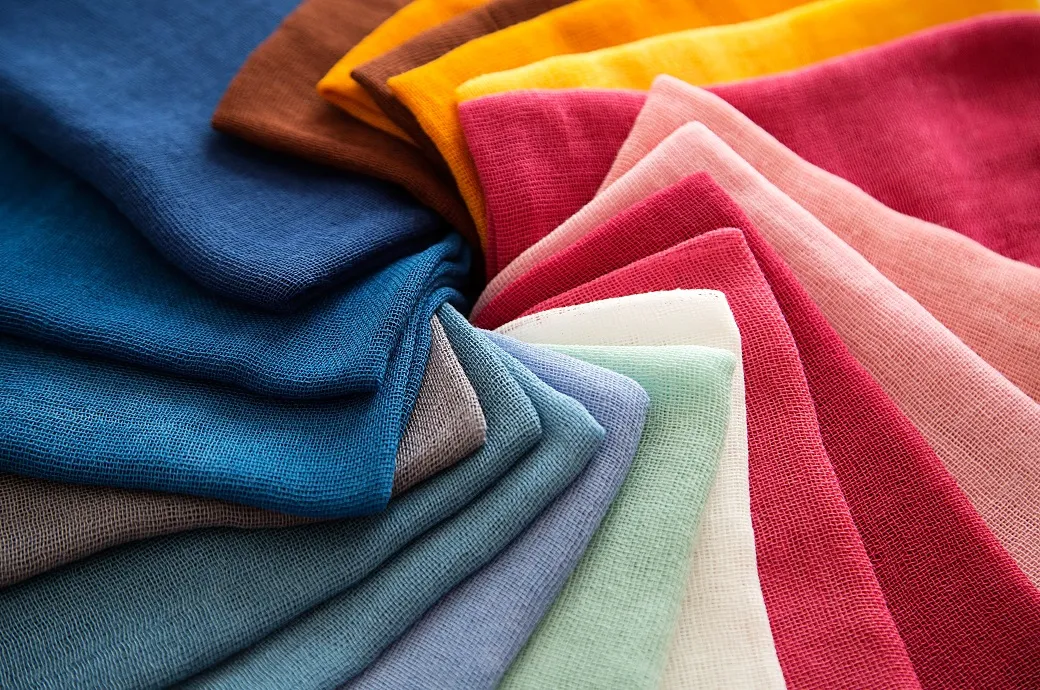
According to the latest report published by Data Bridge Market Research, the Textile Garment Market size is projected to grow at a CAGR of 4.2% during the forecast period 2023 - 2030.
This Textile Garment Market research report is a resource, which offers current as well as upcoming technical and financial details of the Textile Garment Market industry for the specific forecast period. The report exhibits important product developments and tracks recent acquisitions, mergers and research in the Textile Garment Market industry by the key players. A team of enthusiastic, dynamic and skilled researchers and analysts work with full dedication to provide our clients with the supreme market research report. The report can be referred efficiently by both traditional and new players in the industry for complete knowhow of the market. The market research data included in this Textile Garment Market report is analysed and forecasted using market statistical and coherent models.
Stay informed with our latest keyword market research covering strategies, innovations, and forecasts. Download full report: https://www.databridgemarketresearch.com/reports/global-textile-garment-market
Textile Garment Market Segmentation and Market Companies
Segments
- By Product Type: The global textile garment market can be segmented by product type into apparel, home textiles, technical textiles, and others. Apparel segment includes clothing items such as shirts, pants, dresses, and outerwear. Home textiles encompass products like bed linens, towels, curtains, and upholstery. Technical textiles are specialized products used for non-aesthetic purposes such as in automotive, construction, medical, and industrial applications.
- By Material Type: Textile garments are made from various materials such as cotton, polyester, silk, wool, and others. Each material offers different properties and characteristics that cater to different consumer preferences and needs. Cotton is known for its breathability and comfort, while polyester is valued for its durability and quick-drying properties. Silk is a luxurious material often used in high-end garments, and wool provides warmth and insulation.
- By Distribution Channel: The distribution channels for textile garments include online retail, specialty stores, department stores, and others. With the rise of e-commerce, online retail has gained significant traction in recent years due to the convenience and wide selection it offers to consumers. Specialty stores cater to specific market segments and offer personalized shopping experiences, while department stores provide a one-stop-shop for a variety of textile garment brands and products.
Market Players
- Nike, Inc.: A global leader in athletic apparel and footwear, Nike offers a wide range of textile garments for sports and everyday wear. The company's innovative designs and marketing strategies have helped establish it as a premium brand in the market.
- H&M: Known for its fast-fashion business model, H&M is a prominent player in the global textile garment market. The company offers affordable and trendy clothing options for men, women, and children, catering to a broad consumer base.
- Adidas AG: Another major player in the market, Adidas specializes in sports apparel and footwear. The brand's focus on performance-driven products and sustainable practices has resonated with consumers worldwide.
- Zara: As part of the Inditex group, Zara is a leading fast-fashion retailer known for its rapid turnaround of designs from runway to stores. The brand is renowned for its agile supply chain and ability to quickly adapt to changing fashion trends.
The global textile garment market is a dynamic and competitive industry that continues to evolve with changing consumer preferences and trends. With a diverse range of product types, materials, and distribution channels, market players need to stay innovative and adaptable to succeed in this fast-paced environment.
The global textile garment market is experiencing significant growth driven by factors such as changing consumer lifestyles, increasing disposable incomes, and growing emphasis on fashion trends. One emerging trend in the market is the rising demand for sustainable and eco-friendly textile garments. Consumers are becoming more conscious of the environmental impact of their clothing choices, leading to a surge in demand for organic cotton, recycled materials, and ethically sourced products. Market players are responding to this trend by incorporating sustainable practices into their supply chains and offering eco-friendly options to attract environmentally conscious consumers.
Another key trend shaping the textile garment market is the growing influence of technology on product innovation and marketing strategies. Advancements in materials science have led to the development of high-performance textiles with enhanced properties such as moisture-wicking, UV protection, and temperature regulation. Additionally, digital technologies are being leveraged for personalized marketing campaigns, virtual try-on experiences, and seamless omnichannel retailing to provide a tailored and convenient shopping experience for consumers.
The COVID-19 pandemic has also had a significant impact on the textile garment market, with disruptions in supply chains, changes in consumer behavior, and shifts in demand patterns. The crisis has accelerated the adoption of online retail as consumers turned to e-commerce platforms for their shopping needs during lockdowns and social distancing measures. This shift towards digital channels has forced traditional brick-and-mortar retailers to enhance their online presence and optimize their omnichannel strategies to remain competitive in the evolving retail landscape.
In terms of geographical trends, emerging markets in Asia-Pacific and Latin America are expected to drive growth in the global textile garment market due to factors such as rapid urbanization, increasing population, and rising disposable incomes. Countries like China, India, Brazil, and Mexico are experiencing a surge in demand for textile garments driven by a growing middle-class population with changing fashion preferences and increasing awareness of global trends.
Overall, the global textile garment market presents a mix of opportunities and challenges for market players as they navigate through changing consumer dynamics, technological advancements, and market disruptions. Innovation, sustainability, and digital transformation will be key drivers of success in this dynamic and competitive industry. Market players need to continuously adapt to evolving trends, consumer preferences, and market dynamics to stay ahead of the curve and capitalize on growth opportunities in the global textile garment market.The global textile garment market is witnessing a shift towards sustainable and eco-friendly practices driven by increasing consumer awareness of environmental issues. Market players are increasingly focusing on incorporating sustainable materials such as organic cotton and recycled fibers into their product offerings to meet the growing demand for environmentally friendly clothing options. This trend is not only driven by consumer preferences but also by regulatory pressures and the need to address sustainability concerns in the textile industry. Companies that proactively adopt sustainable practices stand to benefit from a competitive advantage and appeal to a broader consumer base that prioritizes ethical and eco-conscious products.
Moreover, technological advancements are playing a significant role in shaping the textile garment market by driving product innovation and transforming marketing strategies. High-performance textiles with enhanced properties such as moisture-wicking, UV protection, and temperature regulation are gaining traction among consumers seeking functionality and comfort in their clothing. Digital technologies are also being leveraged for personalized marketing campaigns, virtual try-on experiences, and seamless omnichannel retailing to enhance the overall shopping experience and engage with tech-savvy consumers. Companies that embrace technology as a tool for innovation and customer engagement are likely to differentiate themselves in a highly competitive market landscape.
The COVID-19 pandemic has accelerated the digital transformation of the textile garment industry as consumers increasingly turn to online retail channels for their clothing needs. E-commerce platforms have become essential for reaching and engaging with consumers during lockdowns and social distancing measures, prompting traditional retailers to enhance their online presence and optimize their digital strategies. The shift towards digital channels has reshaped consumer behavior and purchasing patterns, emphasizing the importance of a strong online retail strategy for market players to remain competitive and meet evolving consumer demands. Adapting to the new normal post-pandemic will require a continued focus on digital innovation and flexibility in meeting changing market dynamics and consumer preferences.
In conclusion, the global textile garment market is undergoing significant shifts driven by sustainability trends, technological advancements, and the impact of the COVID-19 pandemic. Market players that prioritize sustainability, embrace technology for innovation, and adapt to the changing retail landscape are likely to succeed in a dynamic and competitive industry. By staying attuned to evolving consumer preferences, leveraging digital technologies, and enhancing sustainable practices, companies can position themselves for growth and capitalize on emerging opportunities in the global textile garment market.
Frequently Asked Questions About This Report
How are Green regulations changing the Textile Garment Market?
What is the growth of Textile Garment Market in the Agriculture tech market?
What are the potential Black Swan events for the Textile Garment Market?
How are Textile Garment Market companies reducing their water footprint?
How do cultural factors influence Textile Garment Market demand globally?
How much is the Services segment projected to be worth in 2026?
What are the key buying criteria for consumers in the Textile Garment Market?
What are the ethical considerations in the Textile Garment Market?
What are the top 5 companies by revenue in the Textile Garment Market?
What is the impact of Right to Repair laws on the Textile Garment Market?
How does product-level segmentation impact the overall Textile Garment Market CAGR?
Browse More Reports:
Global Antifibrinolytic Market
Global Artificial Heart Market
Global Atrial Flutter Market
Global Battery Transportation Packaging Market
Global Biohazard Bags Market
Global Blue Green Algae Fertilizers Market
Global Bone Cysts Market
Global Choroideremia Treatment Market
Global Coccidioidomycosis Drugs Market
Global Coronavirus Diagnostic Market
Global Dental Fluoride Treatment Market
Global Drain Cleaning Equipment Market
Global Electric Vehicle Engineering Plastics Market
Global Employee Performance Management Market
Global Filters Market
Contact Us:
Data Bridge Market Research
US: +1 315 716 2465
UK: +44 121 387 1739
APAC : +656 2026 606
Email:- [email protected]
 Romaian
 English
 Arabic
 French
 Spanish
 Portuguese
 Deutsch
 Turkish
 Dutch
 Italiano
 Russian
 Portuguese (Brazil)
 Greek
