


How Changing Pilot Needs Influence the General Aviation Engine Market Today
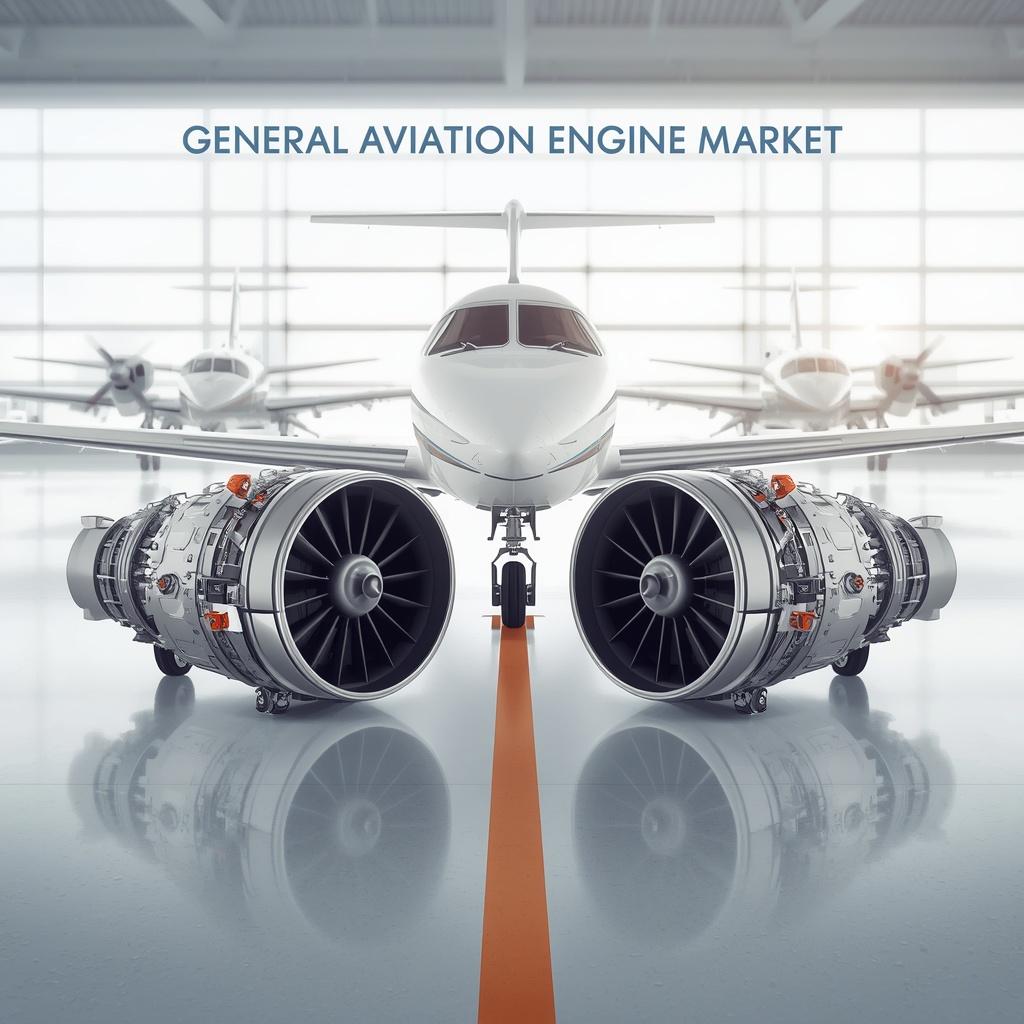
The General Aviation Engine Market is influenced by the changing expectations of pilots, aircraft owners, aviation businesses, and training organizations. General aviation serves different purposes, ranging from personal transportation and recreational flying to business operations and professional pilot education. Each activity creates specific requirements for aircraft engines.
Pilots and operators increasingly consider the overall ownership and operating experience when selecting aircraft propulsion systems. They look beyond basic engine functionality and evaluate dependability, maintenance accessibility, operational suitability, and long-term technical support. The growing interest in general aviation aircraft propulsion reflects how important suitable engine technology has become for different aircraft applications.
Pilot Expectations and Engine Performance
Pilots depend on engines that provide consistent and predictable performance. During aircraft operations, propulsion systems must function according to their intended design characteristics and support the aircraft's operational requirements.
Engine performance is influenced by several engineering factors, including combustion characteristics, component quality, cooling arrangements, and mechanical design. Manufacturers must consider these elements when developing products for different aircraft categories.
Pilots also value engines that are supported by clear technical documentation and established maintenance procedures. Understanding engine limitations and operating requirements helps pilots follow appropriate procedures and work effectively with maintenance professionals.
Aircraft owners may also consider how easily an engine can be maintained. Convenient access to qualified technicians and suitable replacement components can influence the overall ownership experience.
Flight Training and Engine Requirements
Flight training is an important part of the general aviation ecosystem. Training aircraft are used by flight schools and aviation institutions to help students develop the knowledge and practical skills required for flying.
Engines used in training aircraft must support regular instructional operations. They need to function consistently while undergoing appropriate inspection and maintenance procedures.
Flight schools often consider reliability and servicing requirements when selecting aircraft. An engine that can be supported through established maintenance arrangements may help training organizations manage their aircraft operations more effectively.
Engine manufacturers can respond to this application by focusing on practical designs, technical support, and replacement component availability.
Training organizations also benefit from accessible maintenance information. Effective communication between engine manufacturers, aircraft operators, and technicians helps support appropriate maintenance practices.
Business Aviation and Operational Flexibility
Business aviation has different priorities from recreational and instructional flying. Professional operators often need aircraft that can support flexible transportation requirements and dependable operating schedules.
Engine selection is therefore an important part of aircraft purchasing and fleet management decisions. Operators may evaluate performance characteristics, maintenance arrangements, technical assistance, and compatibility with their intended aircraft applications.
Operational flexibility also depends on the availability of suitable maintenance facilities and qualified personnel. A dependable support network can help operators manage servicing requirements and maintain aircraft readiness.
Engine manufacturers can strengthen their customer relationships by offering comprehensive technical assistance and maintaining effective communication with operators.
Maintenance Expectations and Customer Satisfaction
Maintenance is a major consideration throughout the general aviation engine lifecycle. Regular inspections, servicing, component replacement, and technical evaluations help maintain engine condition.
Aircraft owners often appreciate clear maintenance guidance and access to experienced service professionals. Complicated servicing arrangements or limited component availability can create operational difficulties.
Manufacturers can address these concerns by improving technical documentation, strengthening distribution networks, and supporting qualified maintenance organizations.
Customer satisfaction is also influenced by communication. Operators benefit when manufacturers provide understandable technical information and appropriate assistance when maintenance questions arise.
The aftermarket therefore represents an important part of the customer relationship. Continued support can help build trust and encourage long-term product acceptance.
Emerging Technologies and Future Pilot Needs
Future pilot requirements may be influenced by developments in aircraft automation, digital monitoring, and alternative propulsion systems.
Digital engine monitoring can provide useful information about operating conditions and support maintenance planning. Such technologies may help pilots and technicians understand engine performance more effectively.
Hybrid-electric propulsion and alternative fuel technologies are also attracting attention. These developments may introduce different operating procedures and maintenance considerations for future aircraft.
However, new propulsion systems must be designed around practical aviation requirements. Pilots need clear operating procedures, appropriate training, and dependable technical support before adopting unfamiliar technologies.
Manufacturers must therefore involve pilots and aircraft operators in the development process to ensure that new solutions address real operational needs.
The Importance of Customer-Focused Innovation
Customer-focused innovation can help engine manufacturers understand the practical challenges faced by aircraft operators.
Feedback from pilots, flight schools, aircraft owners, and maintenance professionals can identify areas where product improvements may be useful. These insights can influence engine design, servicing arrangements, technical documentation, and aftermarket support.
Manufacturers that listen to customers can develop solutions that are more closely aligned with actual operating requirements.
The industry also benefits from collaboration between aircraft developers, engine manufacturers, maintenance organizations, and aviation training institutions. Such cooperation can support better product integration and improved technical understanding.
Conclusion
Changing pilot and operator expectations are influencing the direction of the General Aviation Engine Market. Reliability, maintenance accessibility, operational flexibility, and dependable customer support remain important considerations across different aviation applications.
As new propulsion technologies develop, manufacturers must continue balancing innovation with practical operating requirements. Understanding the needs of pilots and aircraft owners will remain essential for developing successful general aviation engine solutions.
Frequently Asked Questions
Q1. How do pilot requirements influence the General Aviation Engine Market?
Pilot requirements influence engine design, reliability expectations, maintenance accessibility, operating procedures, and the demand for dependable technical support.
Q2. Why is engine maintenance important to aircraft owners?
Engine maintenance helps preserve equipment condition, identify potential technical concerns, support dependable operation, and maintain compliance with applicable aviation requirements.
- Monuments historiques
- Restaurant Traditionnel
- Formazione
- Mode
- Formation
- Information
- Restaurant
- culture
- تسويق
- Tourisme
- سياحة
- تنمية
- Découverte
- Art
- Causes
- Crafts
- Dance
- Drinks
- Film
- Fitness
- Food
- Giochi
- Gardening
- Health
- Home
- Literature
- Music
- Networking
- Altre informazioni
- Party
- Religion
- Shopping
- Sports
- Theater
- Wellness
 Italiano
 English
 Arabic
 French
 Spanish
 Portuguese
 Deutsch
 Turkish
 Dutch
 Russian
 Romaian
 Portuguese (Brazil)
 Greek
